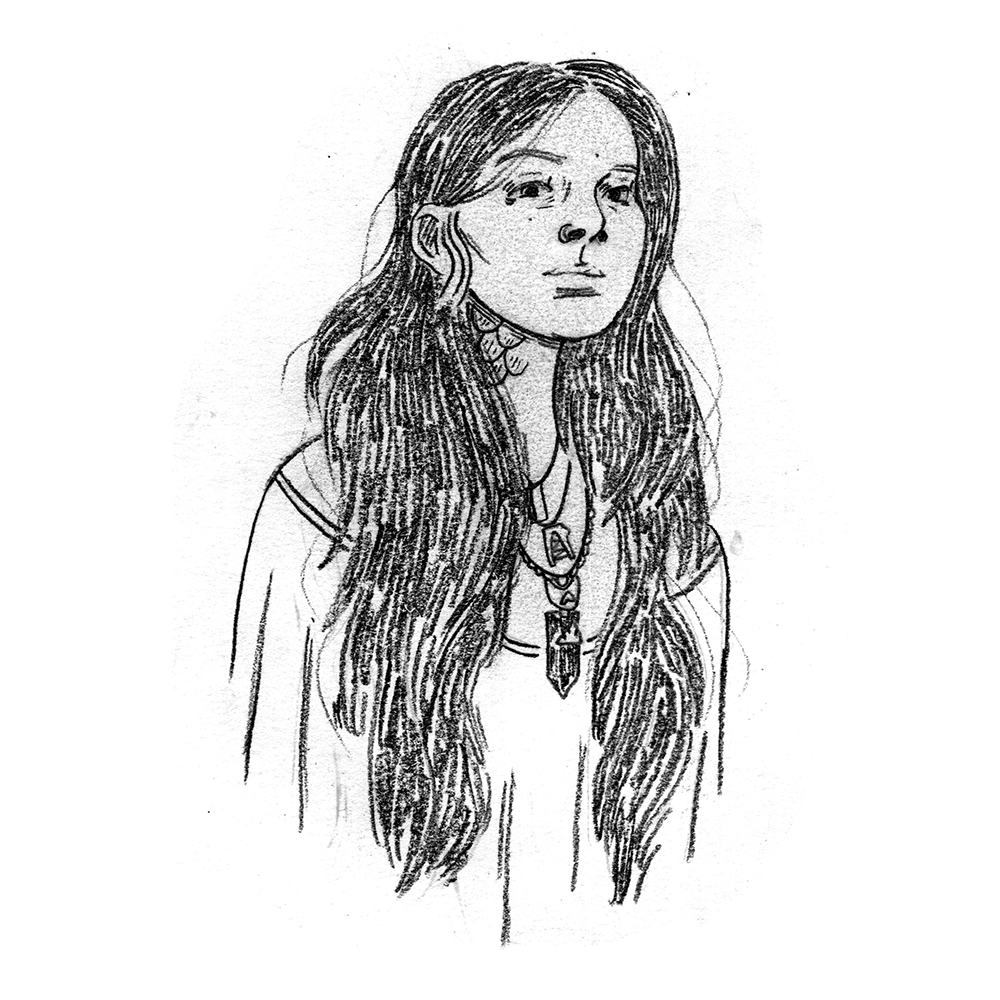
°‧ 𓆝 𓆟 𓆞 ·。 Filipinos didn’t simply get colonized and then transformed from the inside out by their colonizers. The influence of Catholicism came in waves. There was resistance and we only accepted certain aspects so long as miracles were performed and witnessed. We were very logical about it. Many groups had cultural values of inclusion and diplomatic reasons for welcoming an array of deities into their pantheon. Ancient Filipinos and precolonial Filipinos were highly intelligent, cultured, and deeply connected with the spirit world. They knew that many deities existed and some of these deities live on cloaked as Catholic saints and the Virgin Mary. It’s okay that some people don’t remember these origins. The faith of the Filipino people is inherent, intrinsic to our nature and we are powerful for it, not ignorant or weak. I post this with respect and love, as a non-Catholic who is highly critical of the Roman Catholic Church. °‧ 𓆝 𓆟 𓆞 ·。
I copied the post below from the Tantra section on my website. It just so happens that my friend, fellow writer and artist Melissa Sipin Gabon, texted this morning to wish me a Buona festa de Santa Lucia. My adoptive paternal grandmother, Lola Lucilla, and her seer daughter Tita Lucilita were both named after Saint Lucy. Both my Lola and Tita were seers who endured WWII and immigration to Germany and also to the United States. We typically celebrated this day by going to church and lighting candles for our matriarchs. I had been preparing for my birth mother’s birthday (Dec. 15) so I forgot about this special day. I would have forgotten today without Melissa’s text :)
The venerated, dark Virgen statue of Santa Lucia at the St. Lucy the Martyr Church in Santa Lucia, Ilocos Sur, was beloved to my family. As the patron saint of the blind, the Virgen is associated with other many-eyed precolonial deities like Dalikmata who is also associated with eye health, psychic visions. In high states of meditation I have seen a golden deity with many eyes who is almost too brilliant to look at. Below you can see silver and gold pins shaped like eyes affixed to the Virgen’s robes and gown. She is venerated with syncretic Catholic-Animist rituals, a flavor of Catholicism specific to the Philippines.
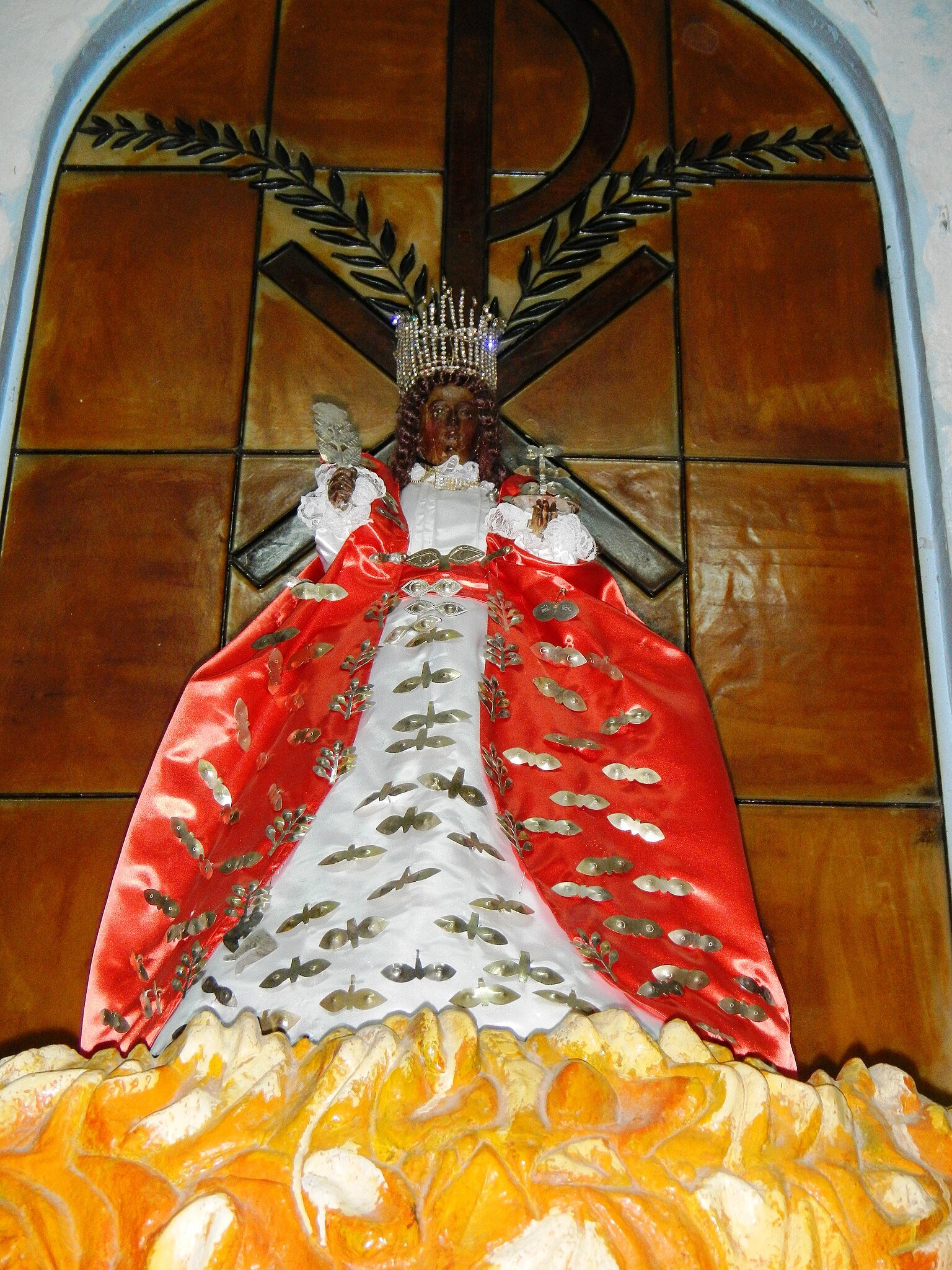
The Saint Lucia statue in full regalia.
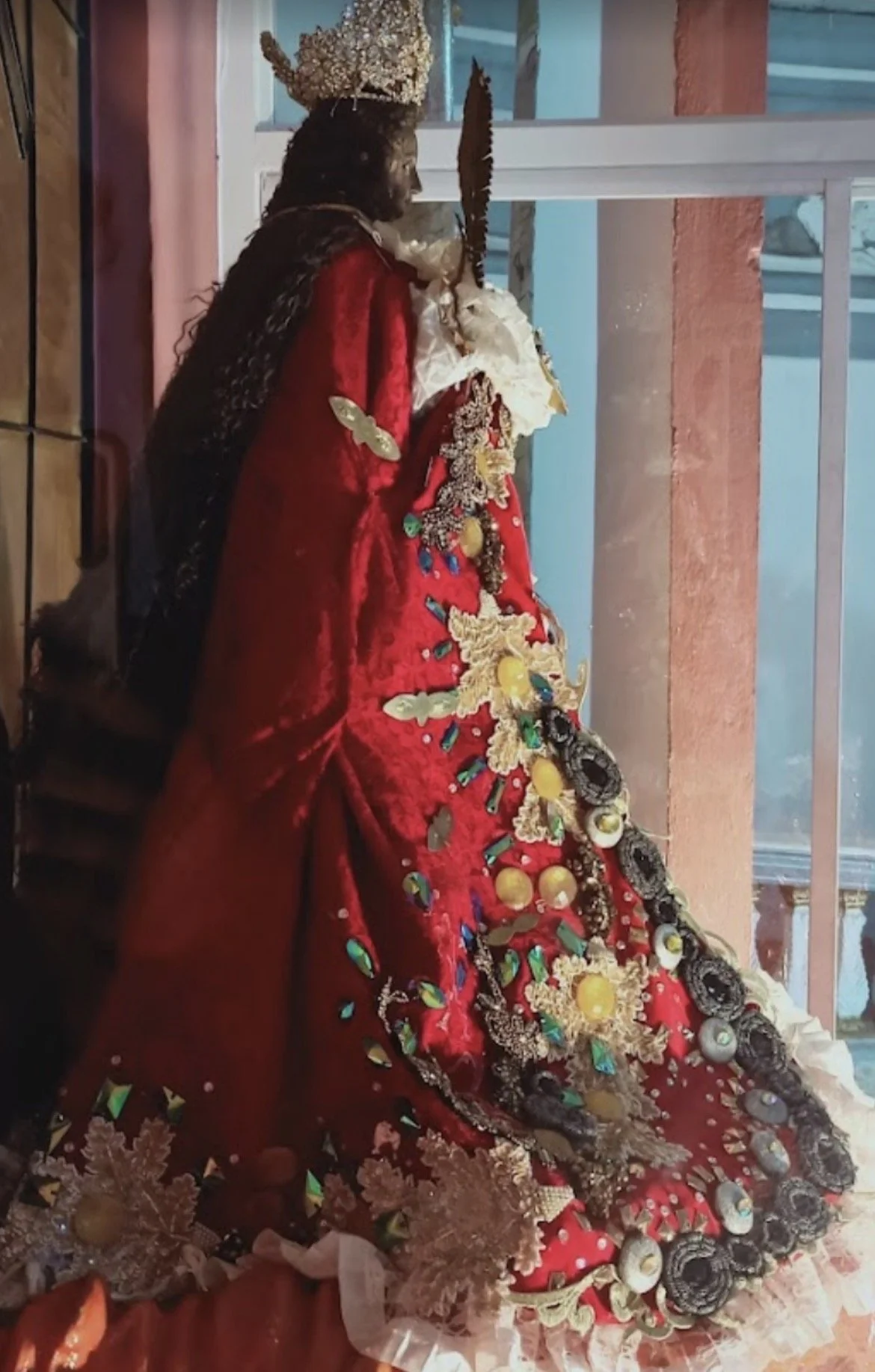
Saint Lucia’s regalia from the side.
°‧ 𓆝 𓆟 𓆞 ·。 More examples of Catholic + animist + Hindu-Buddhist syncretism in the Philippines °‧ 𓆝 𓆟 𓆞 ·。
Nuestra Señora de Barangay
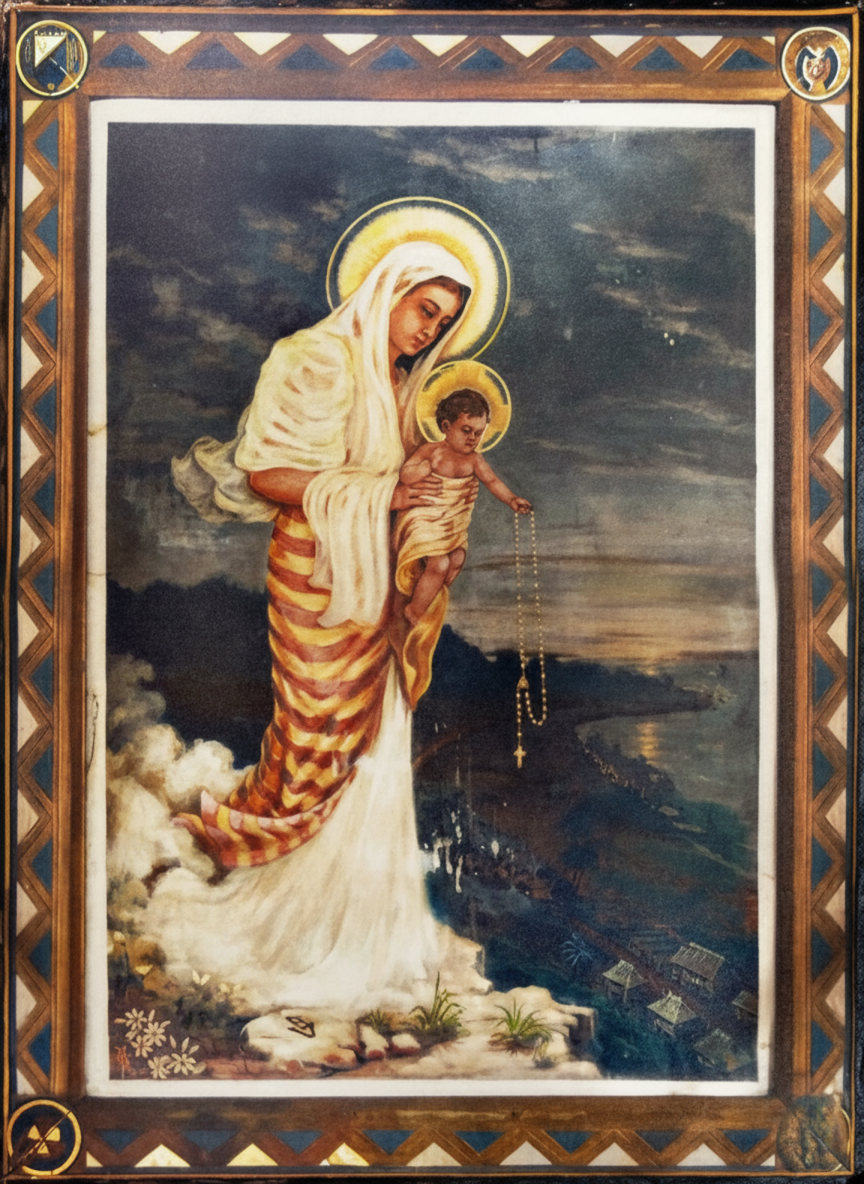
Everything from the Virgen’s clothing to the frame reflect a mixture of indigenous and colonial cultural influences deliberately depicted to influence other indigenous Filipinos in their faiths in the 1940s.
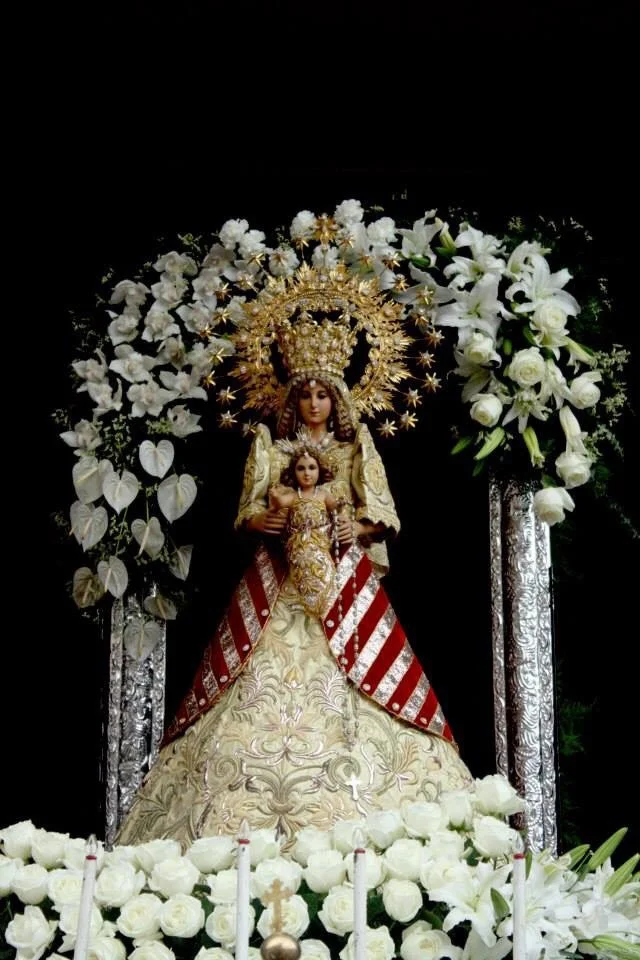
Praising, touching, cleaning, and making offerings to statues or murtis like the Birhen sang Barangay reflects precolonial animist practices and diwata worship before Catholicism. These practices continue, even as the Roman Catholic Church orders the people to stop them.
Our Lady of the Rosary of Manaoag
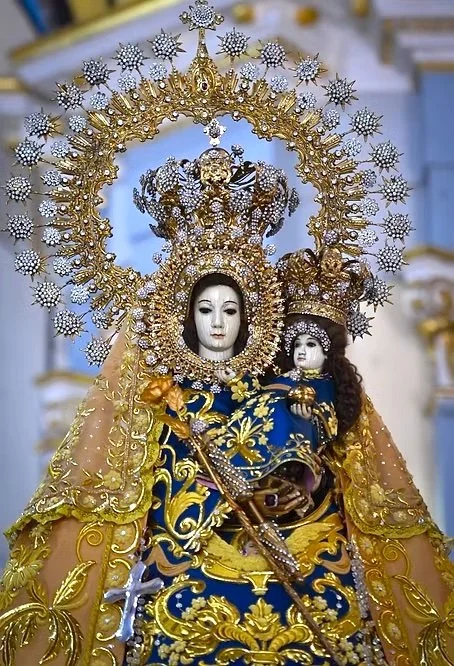
Our Lady of the Rosary of Manaoag, also known as Ina’n Birhen na Manaoag or Apo Baket Manaoag in the Province of Pangasina.
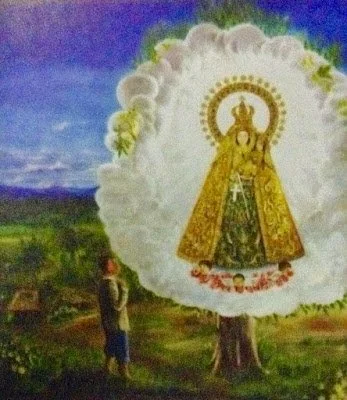
A painting that depicts the apparition in Manaoag.
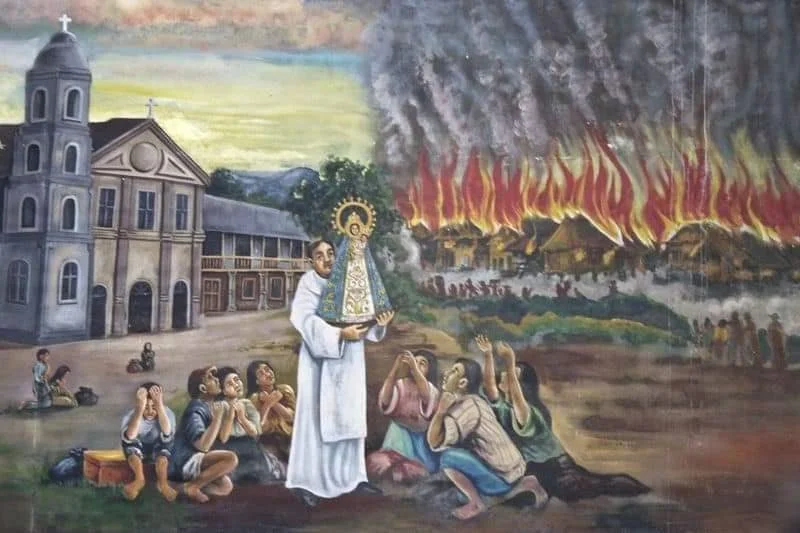
I liken the Apo Baket of Manaoag, and many other “Apo Baket” figures in the Philippines, as depictions of local diwata in Catholic regalia. Many of these diwata are emanations of Tārā with local names; Tārā is evoked for the same traits and powers that the Virgen, or Mother Mary, offers the people. This local diwata is also similar to Tārā because she appeared amongst trees which is how the goddess has appeared to others in India, China, Indonesia. The local deity protects from fires and other disasters, war. She especially looks over the vulnerable like women and children. She existed before the image was created and attributed to the Catholic Mary. Apo Baket is still venerated today through Catholic rites and other local traditions. My birth family venerates this deity back home in Bataan, Luzon and also on the island of Samar. I care for an identical statue to my birth family’s on one of our Cavern House shrines.
Our Lady of the Pilar de Morong
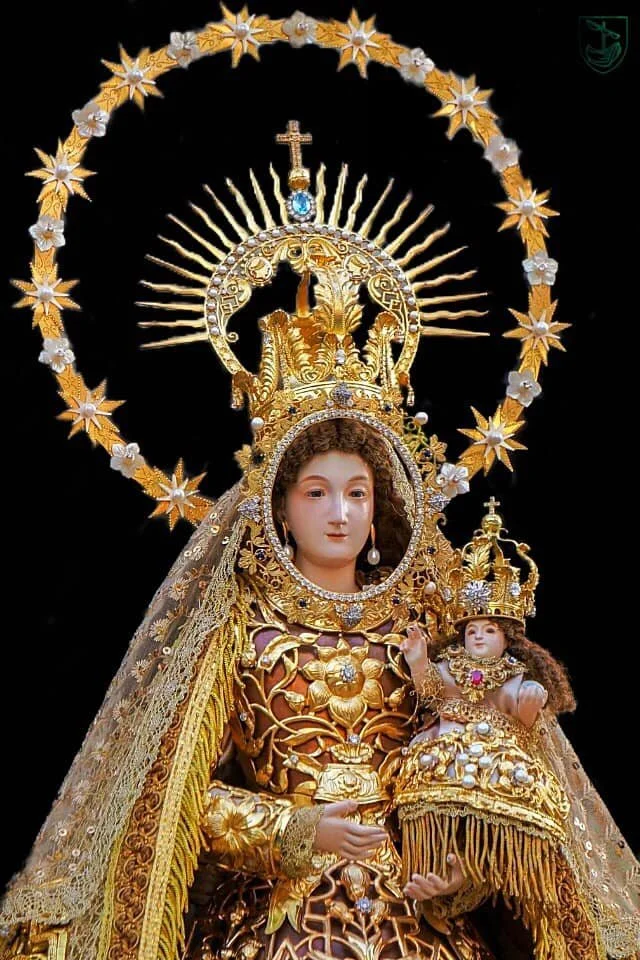
The Marian vision that occurred in my family’s town over 400 years ago is known as Our Lady of the Pilar de Morong, also a local diwata before the statue was attributed to the Catholic Mary. She is associated with the traits of Tārā and warrior aspects of Adi Shakti.
Our Lady of Guidance
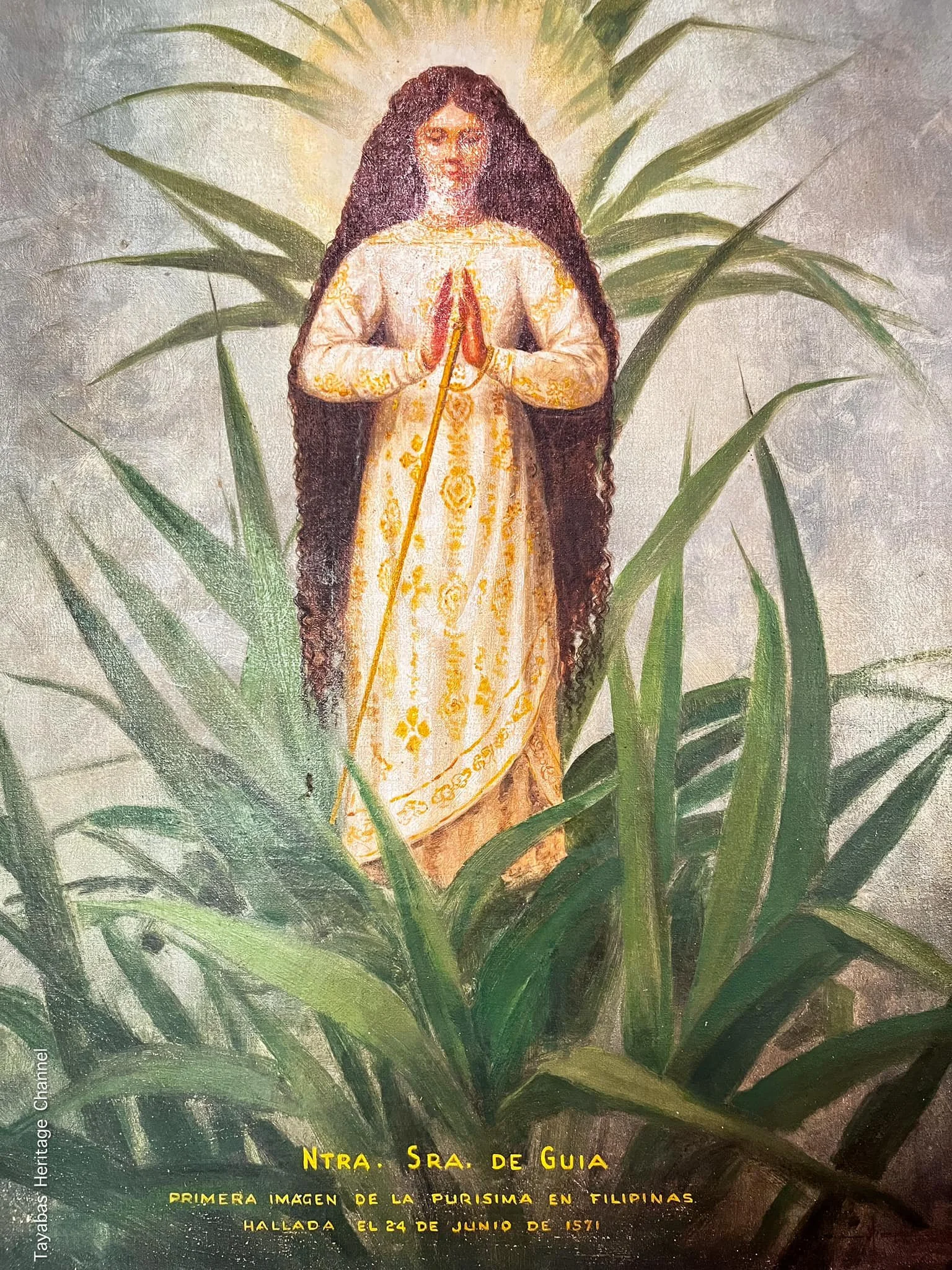
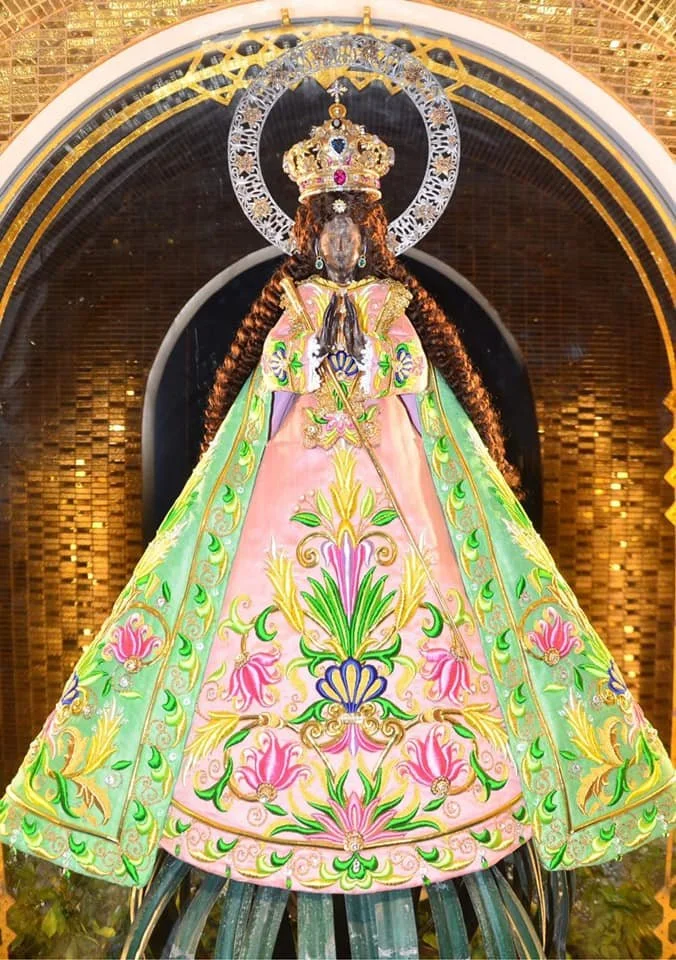
Made in 1571, this is the oldest documented Marian image in the Philippines. The Ermita Church was constructed around an animist shrine where Spanish missionaries saw local native people making flower and pandan offerings to her. She was originally a local diwata, also called Apo Baket, possibly an emanation of Magwayen, a great Visayan goddess of death and the underworld, since Our Lady of Guidance is associated with travel over water and spiritual guidance. Her veneration would have traveled up from the Visayas to Luzon through trade and labor. She is the patron saint of Overseas Filipino Workers (OFW). She is similar to Our Lady of Peace and Good Travel in Antipolo except that Our Lady of Antipolo is called Mahal na Birhen (Beloved Virgin) and venerated as a maternal deity of the tipolo trees.

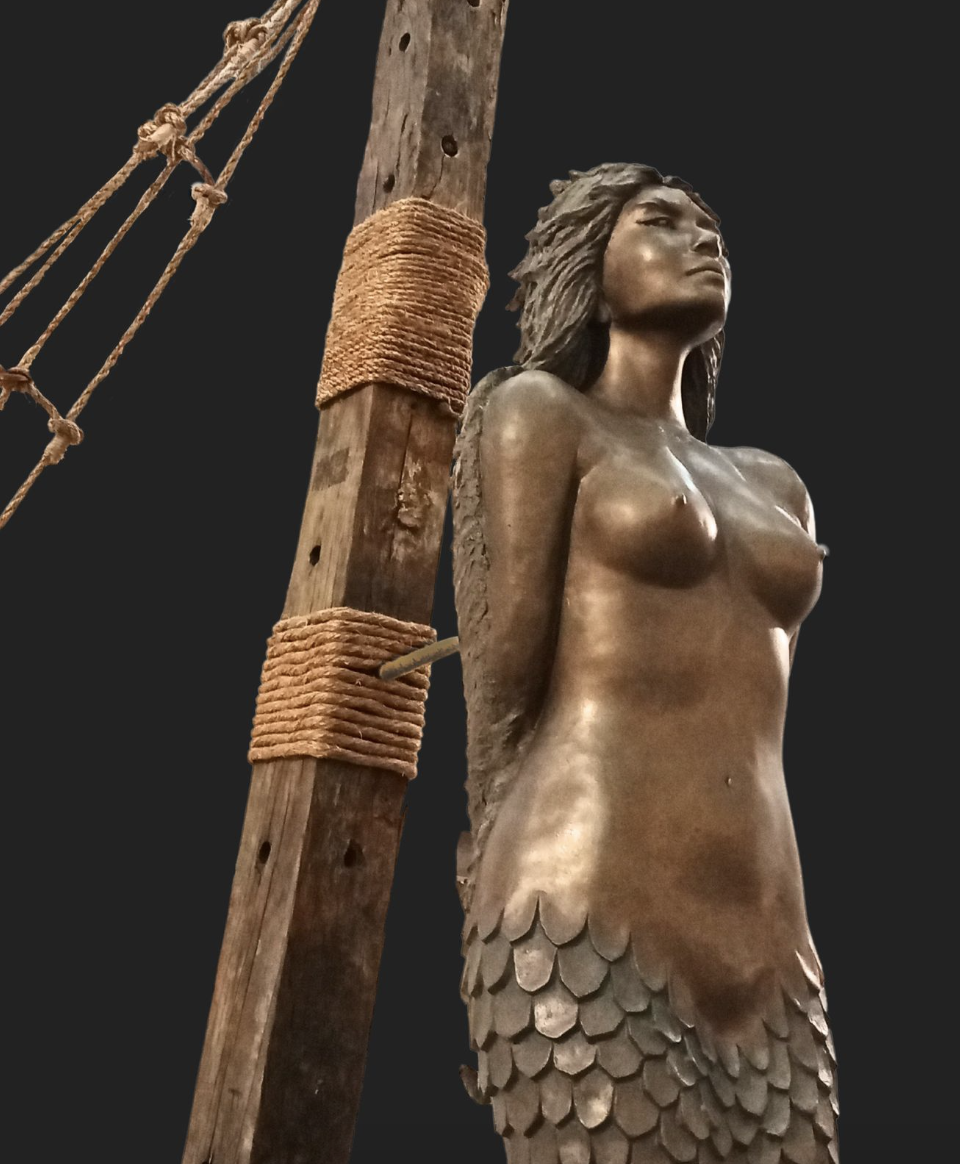
Study for the Figurehead of the Galleon Angel de la Guardia (a.k.a. Magwayen) 2024, by Agnes Arellano. I included this because I love Agnes’ work and her indigenous depictions of deities.
There are other syncretic Mary and Jesus idols throughout the Philippines like the Black Nazareno associated with healing, who is also the indigenous Tagalog god Bathala. Also, the Santo Nino of Cebu is the animist Visayan child-god Santonilyo (likely a local deity similar to baby Krishna due to his association with rain). Both of these deities are incredibly important to my family back home, akin to their worship of Mary.
Our Lady of Piat
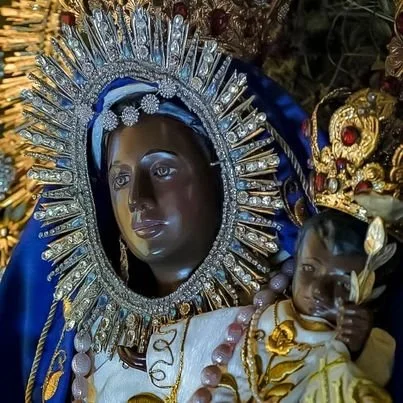
Close-up of Apo Baket of Cagayan or Our Lady of Piat.
This is another local diwata or emanation of Tārā for she protects from the same great dangers: fire, floods and storms, evil spirits (sickness), and is known to respond quickly like Green Tārā.
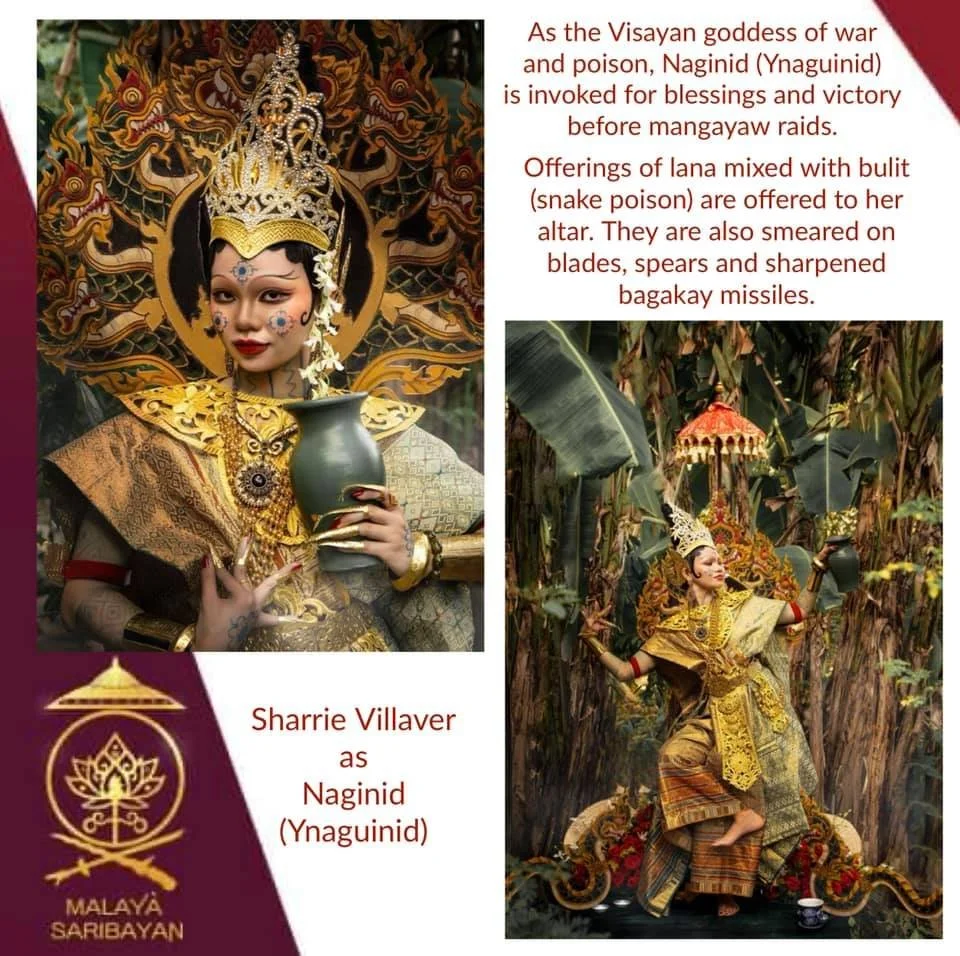
Sharrie Villaver as Naginid (Nagini).
Many of the syncretic Catholic-animist saints and statues in the Philippines represent the peaceful forms of precolonial deities whereas many of the Hindu-Buddhist related ‘mythological beings’ depict the wrathful forms of precolonial deities. The traits that these wrathful forms encouraged in Filipino people were the exact traits that the Catholic Church attempted to suppress in them via genocides and other systemic methods of erasure in an effort to prevent rebellion and independence. Beyond worship, through Tantra, we can find many truths about ourselves in these wrathful forms. The names of the deities are many and their names don’t matter as much as the knowledge of their existence, the ritualistic veneration of their power over us. The reality is that they are real. They exist between membranes of reality and in my culture there are 7 realms stacked on top of each other, constantly interacting with each other. One day this will be further proven by Western, materialist science but I don’t have to wait for their revelations to accept long-established ancient wisdom. The sacred knowledge of these higher beings is available to us at all times if we listen carefully.