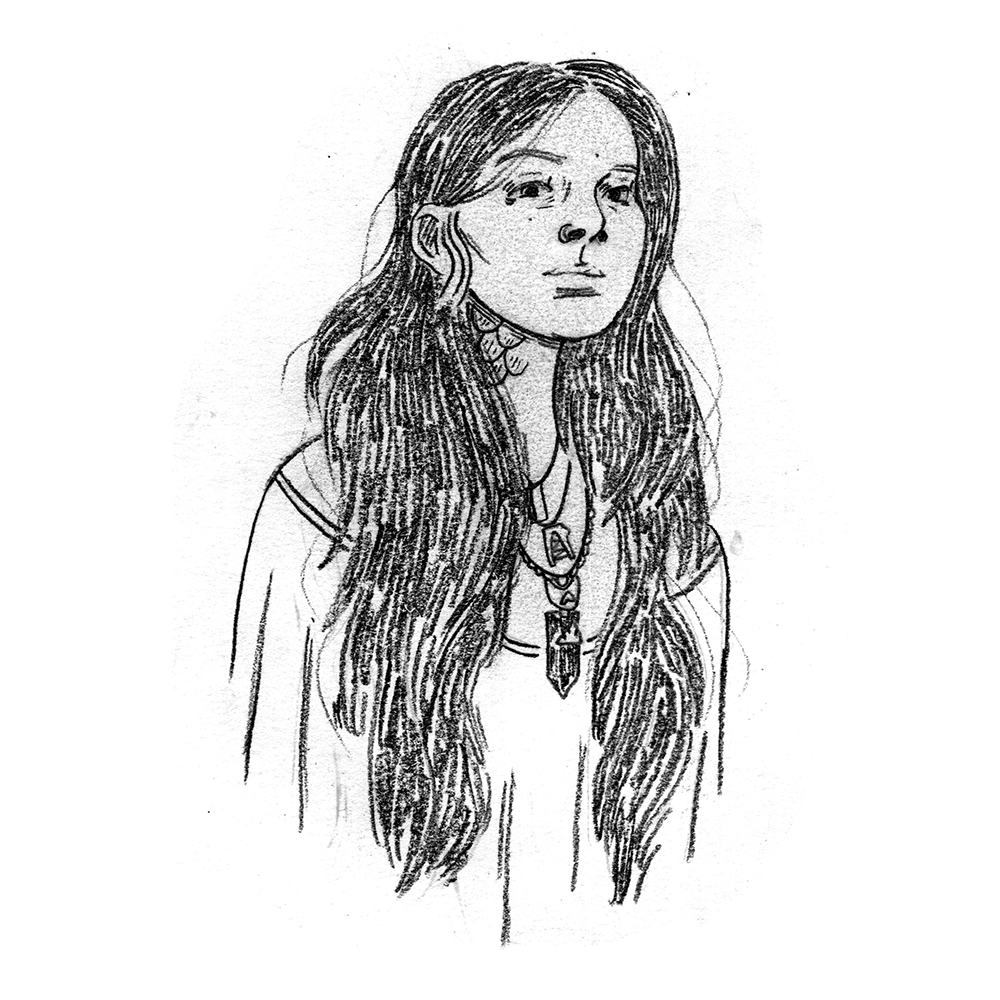
Kaupod ko an gasa han akon mga kaarugan.
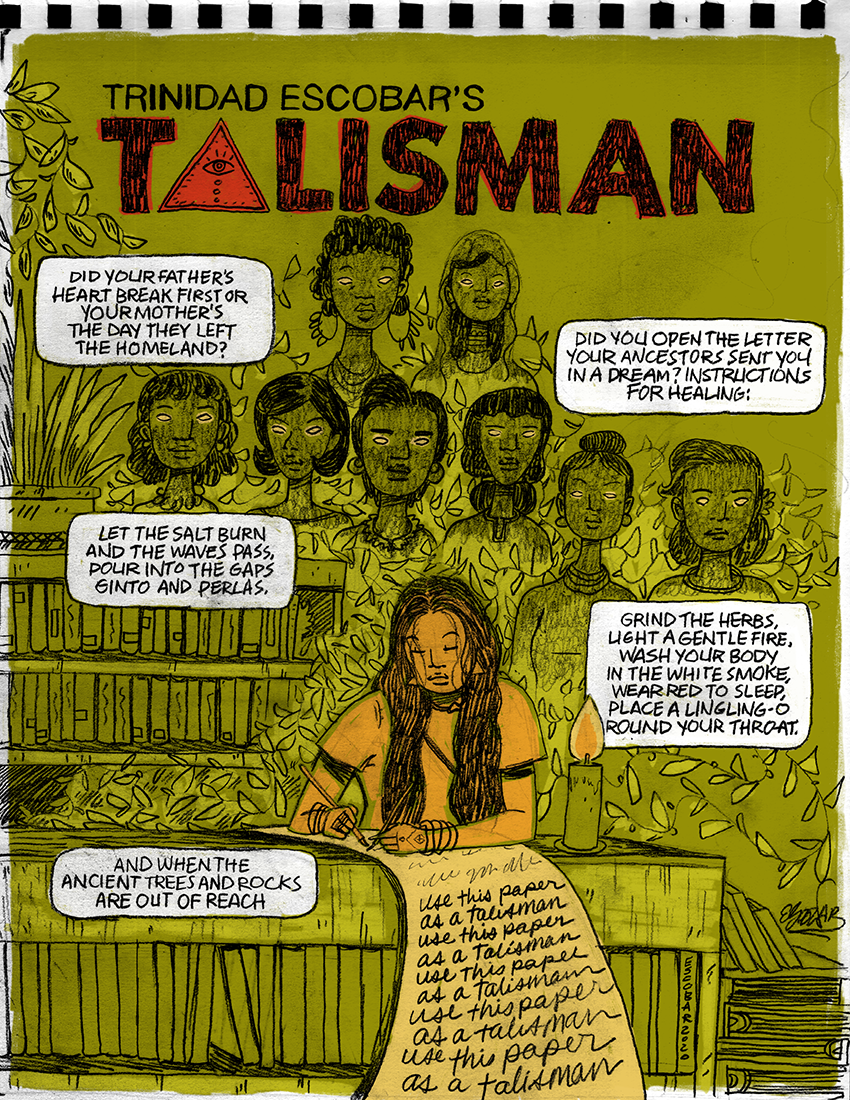
𓆝 𓆟 𓆞 𓆝 𓆟
Kita an kalibungan.
We are nature/the world/consciousness.
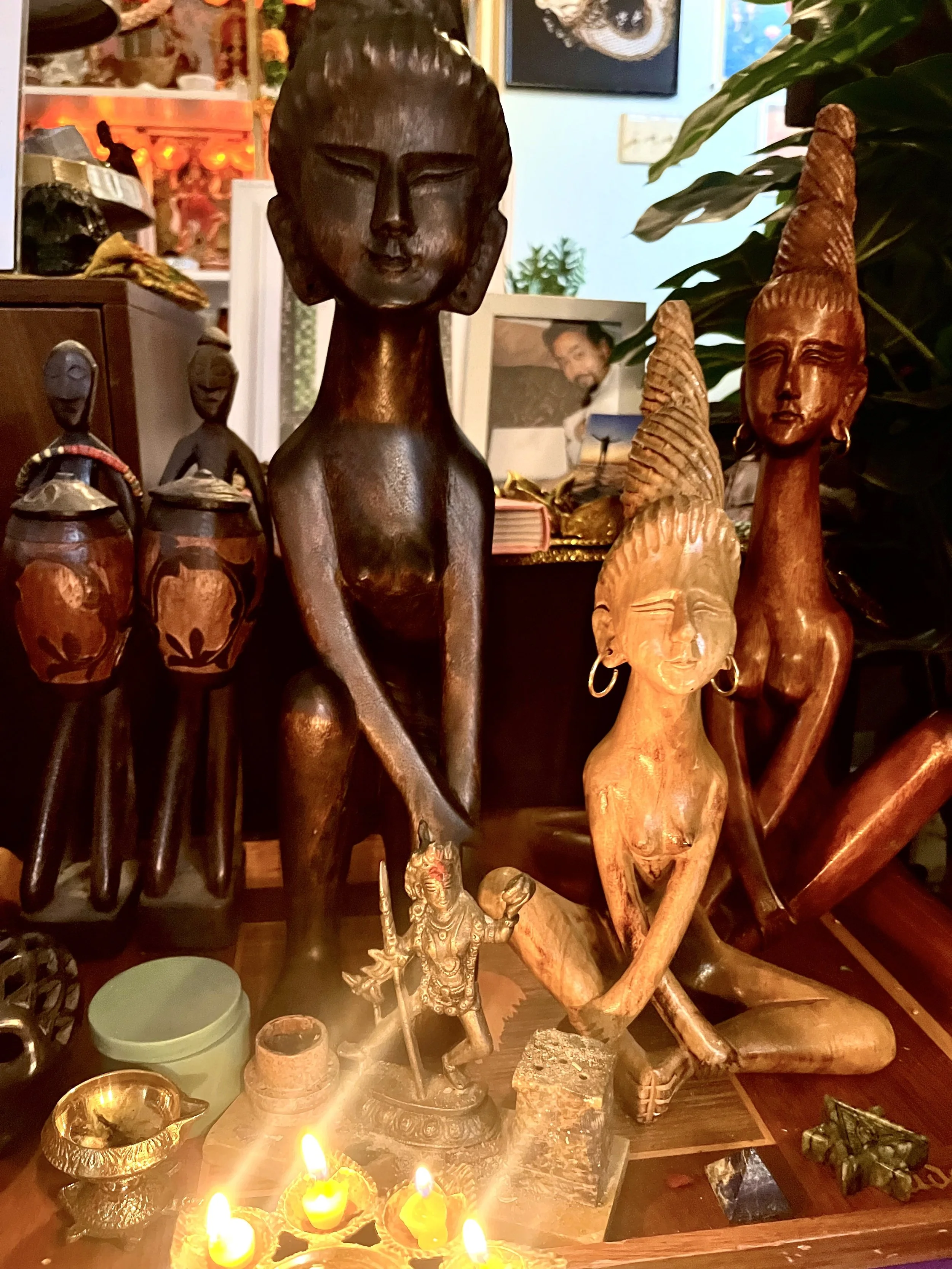
“या देवी सर्वभूतेषु शक्तिरूपेण संस्थिता ।
नमस्तस्यै नमस्तस्यै नमस्तस्यै नमो नमः ॥१२॥
Ya Devi Sarvabhuteshu, Shakti Rupena Samsthita
Namastasyai Namastesyai Namastasyai Namo Namaha”
ૐ Om muni muni mahamuni shakyamuniye svaha ૐ
The Land: Trinidad comes from a lineage of fisherfolk and peasant revolutionary seers from the Visayan island of Samar. Since the late 1700s, her Waray family members have been displaced repeatedly due to massacres, natural disasters, war, imperialism, and poverty. She was born outside in a field in Balanga, Bataan during Super Typhoon Gading to Trining Tijones, a folk seer and sirena, and Roberto Dorognan, a fisherman from the Dolores river families in Eastern Samar. She was adopted and raised by the Diaz-Escobar clan, descendants of the Katipunero revolutionary (and, some say, traitor to the revolution) Valentin Diaz. Her Tagalog and Ilocano adoptive parents raised her on occupied Tamien land. Trinidad renounced the Catholic Church when she was in elementary school. As a nonverbal, Autistic child she communicated directly with the Land and learned that she was a seer. Much of what she learned from her visions contradicted the religion in which she was raised.
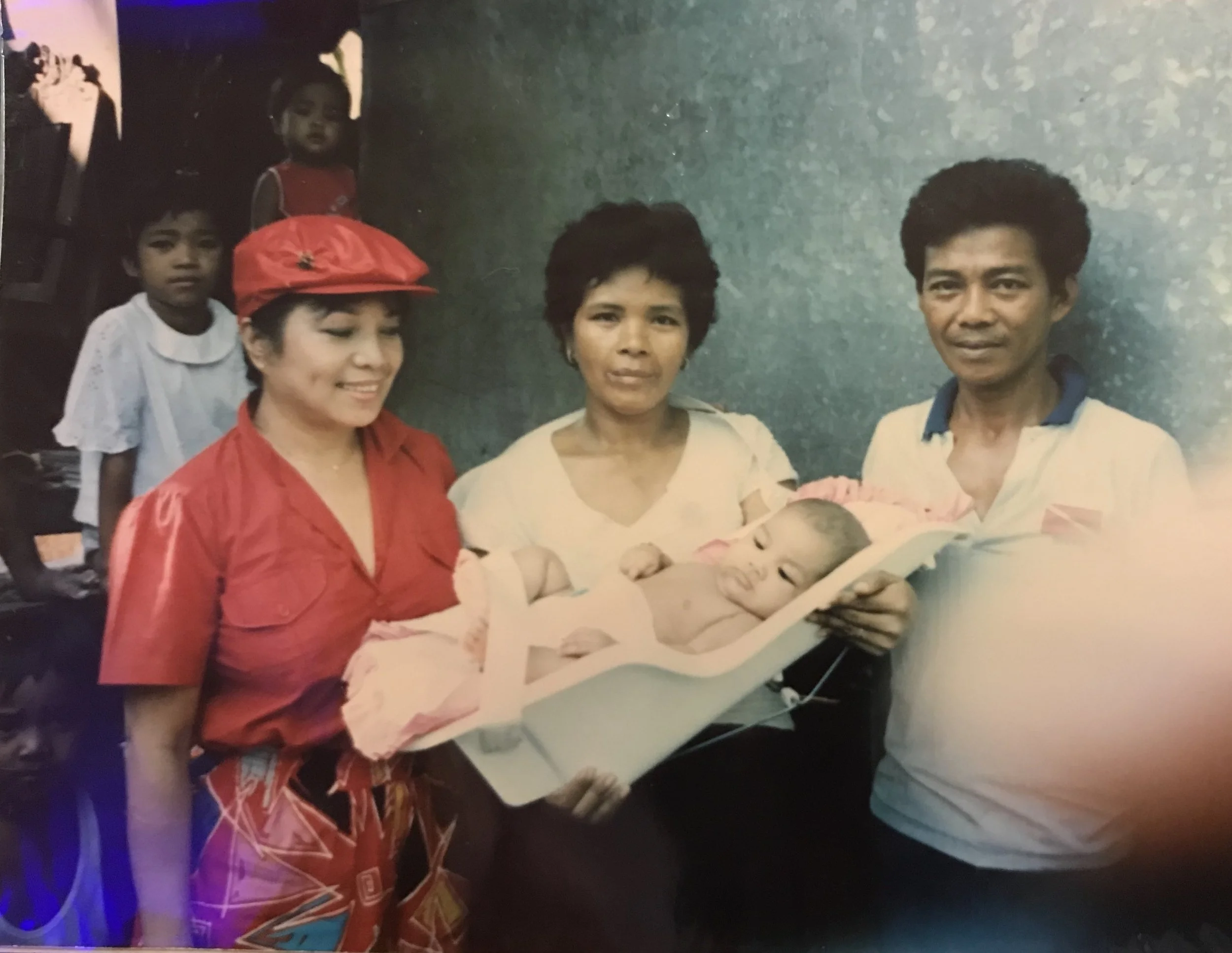
Trinidad’s adoptive mother (in red), a Tagalog woman living in the USA, with Trinidad’s birth parents Trining and Roberto, native Waray people displaced to Bataan. Trinidad is in the carrier. This was the day of Trinidad’s adoption.
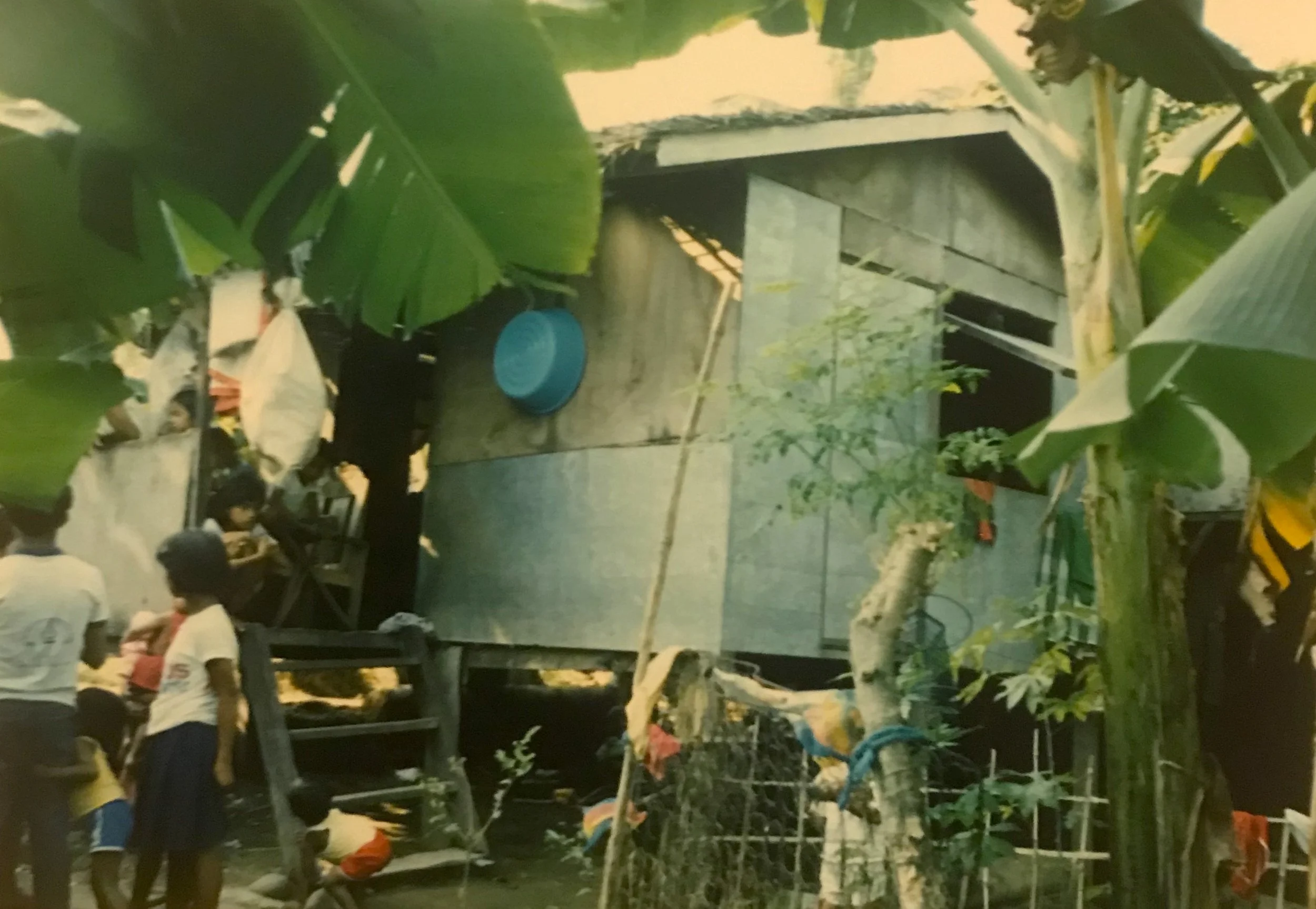
Trinidad’s childhood home in Balanga, Bataan.
𓆝 𓆟 𓆞 𓆝 𓆟
After years of disciplined study and practice Trinidad pieced together the savant aspects of her disabilities with her relationship to the spirit world. Her efforts to de-colonize her life naturally included a healthy examination of the spiritual practices that she grew up with and practices that better suited Trinidad’s goals of collective liberation via individual self-realization. Tantric science and philosophy, Southeast Asian folk practices, and witchcraft helped her solve the puzzle of her savant traits— traits that are rarely studied in children and people of color.
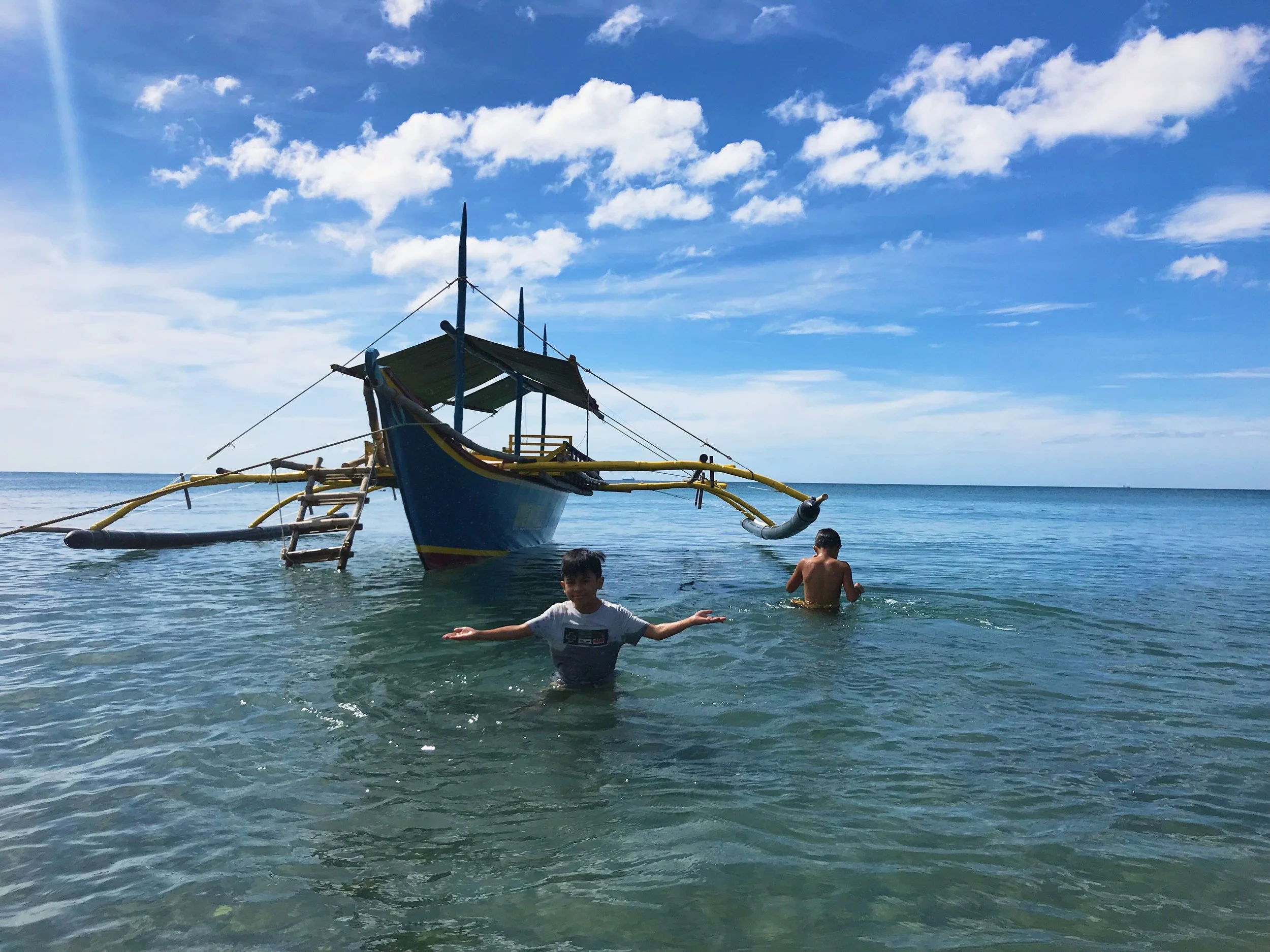
Trinidad’s son (also Autistic) with their family’s fishing boat in Bataan.
𓆝 𓆟 𓆞 𓆝 𓆟
Trinidad is a mermaid and therefore lives with chronic pain. She was a nonverbal child who later developed hyperlexia and situational mutism. She also experienced periodic catatonia. As a disabled adult she still deals with these traits and other physical limitations. She hopes to dismantle misconceptions about disabilities, especially modern, materialist re-tellings of the ancient Autistic experience.
𓆝 𓆟 𓆞 𓆝 𓆟
As a young child Trinidad endured visions of animals, women and children, the earth suffering at the hands of men whose only interest was ever-lasting power. She witnessed abuse in her families and communities. Separated from her homeland and culture due to colonization, imperialism, martial law, poverty, adoption, she decided to explore the spiritual realm on her own, to find answers about life and suffering, following in the footsteps of ancient Tantric practitioners of the 6th-18th centuries.
“Dáyaw kenka, ápo Laün! Lak-amek haan-maungpot a panawen. ”
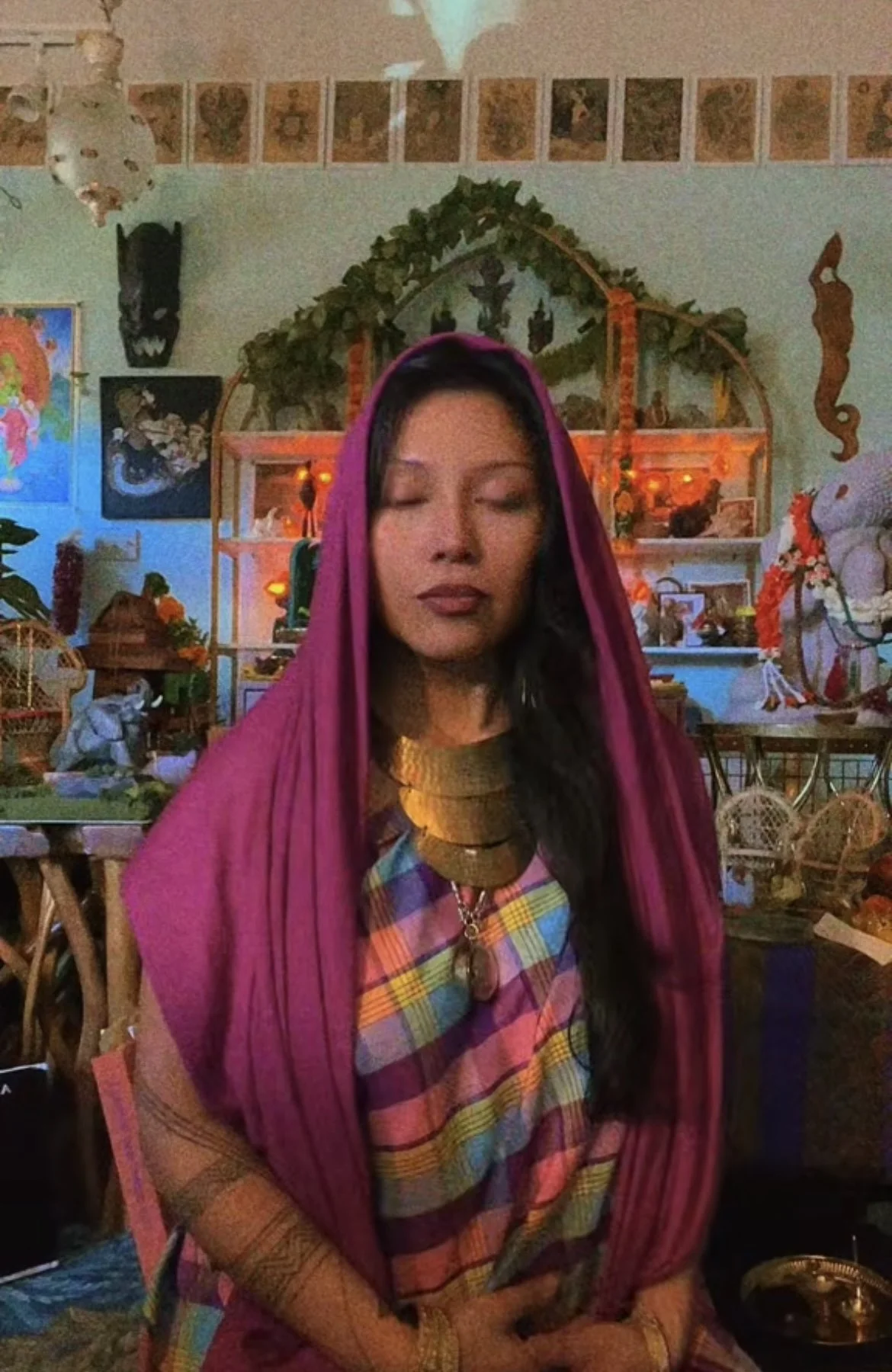
Life As A Sirena
In childhood Trinidad had a guro on the other side, also called an abyan amongst other names in the Philippines. The abyan guided her on intuition, mindfulness, breathing techniques for meditation, and rules for astral projection and spirit communication. When she was eight years old the guru showed her how to make an animist altar and guided her to the Dharma, all to the horror of her Catholic family who believed she was possessed. She experienced visions of two past lives by the time she was sixteen years old. She learned that she was a yogini and animist in these other lives. Trinidad endured years of discrimination and painful alienation from her Catholic adoptive family and former friends who simply did not believe her. She was only affirmed later when she found her gurus and fellow yoginis. She began collecting books on a wide array of occult and sorcery subjects in childhood and by the end of her thirties amassed over 3,000 books in a personal library. She was searching for evidence that validated her experiences and found that evidence in the teachings of meditation masters. Scroll down to learn about her gurus and lineage.
𓆝 𓆟 𓆞 𓆝 𓆟
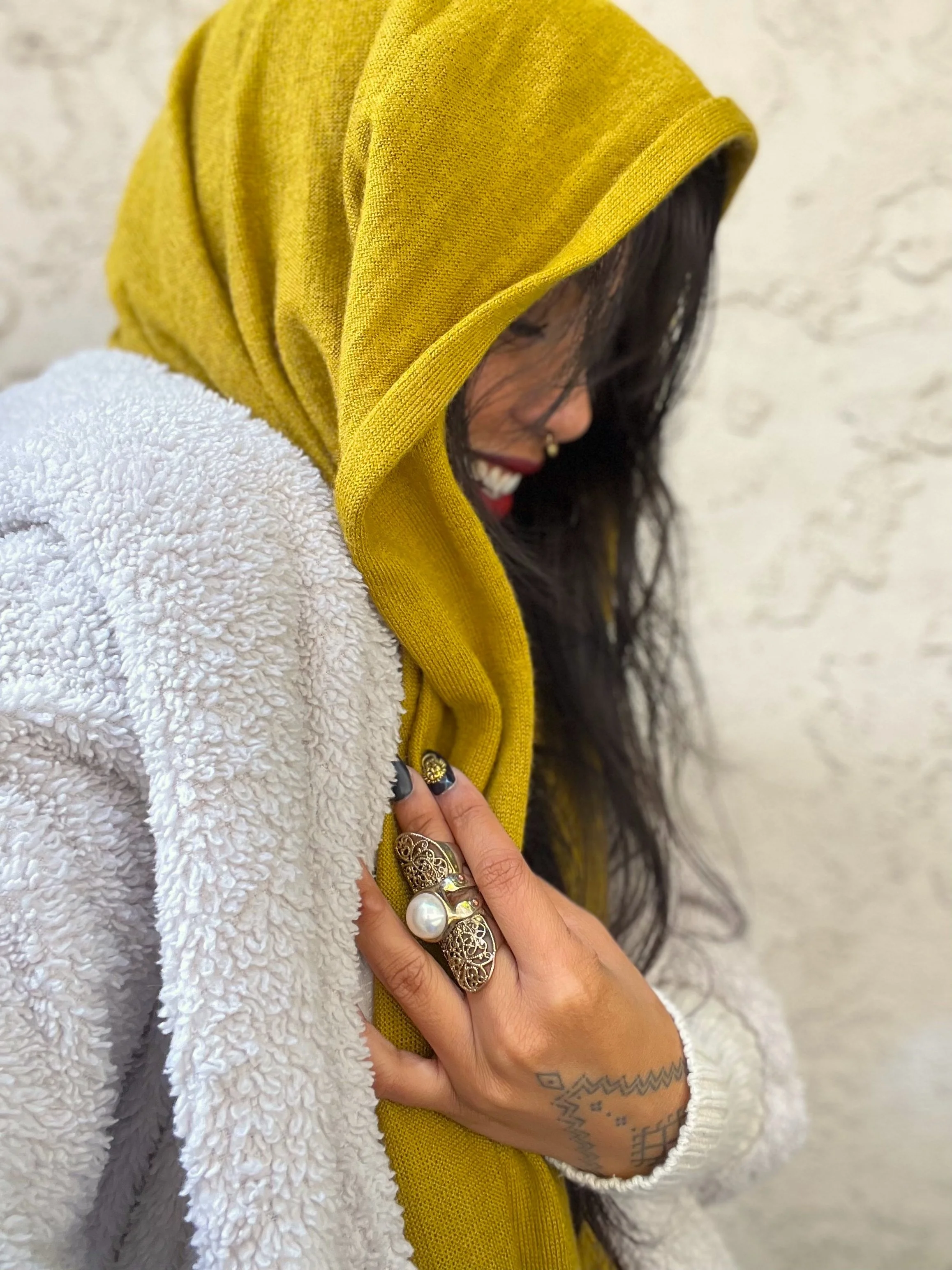
Over the course of thirty long years Trinidad developed a syncretic Tantric practice called Water Serpent Dharma as a response to the tremendous loss, bastardization, appropriation, and commodification of South and Southeast Asian spiritualities, traditions in mind-training, and studies of consciousness during times of imperialist and colonialist oppression.
Some of the concepts of Water Serpent Dharma have roots in her family’s seer traditions and Pulahanes traditions from Leyte-Samar, Philippines; Shri Vidya and other forms of Tantra from the Tamil Nadu people and the worship of the goddess Tara across Asia especially Thailand, Laos; and Turtle Island animist beliefs. Some of the practice can be partially explained with physics, e.g. holography.
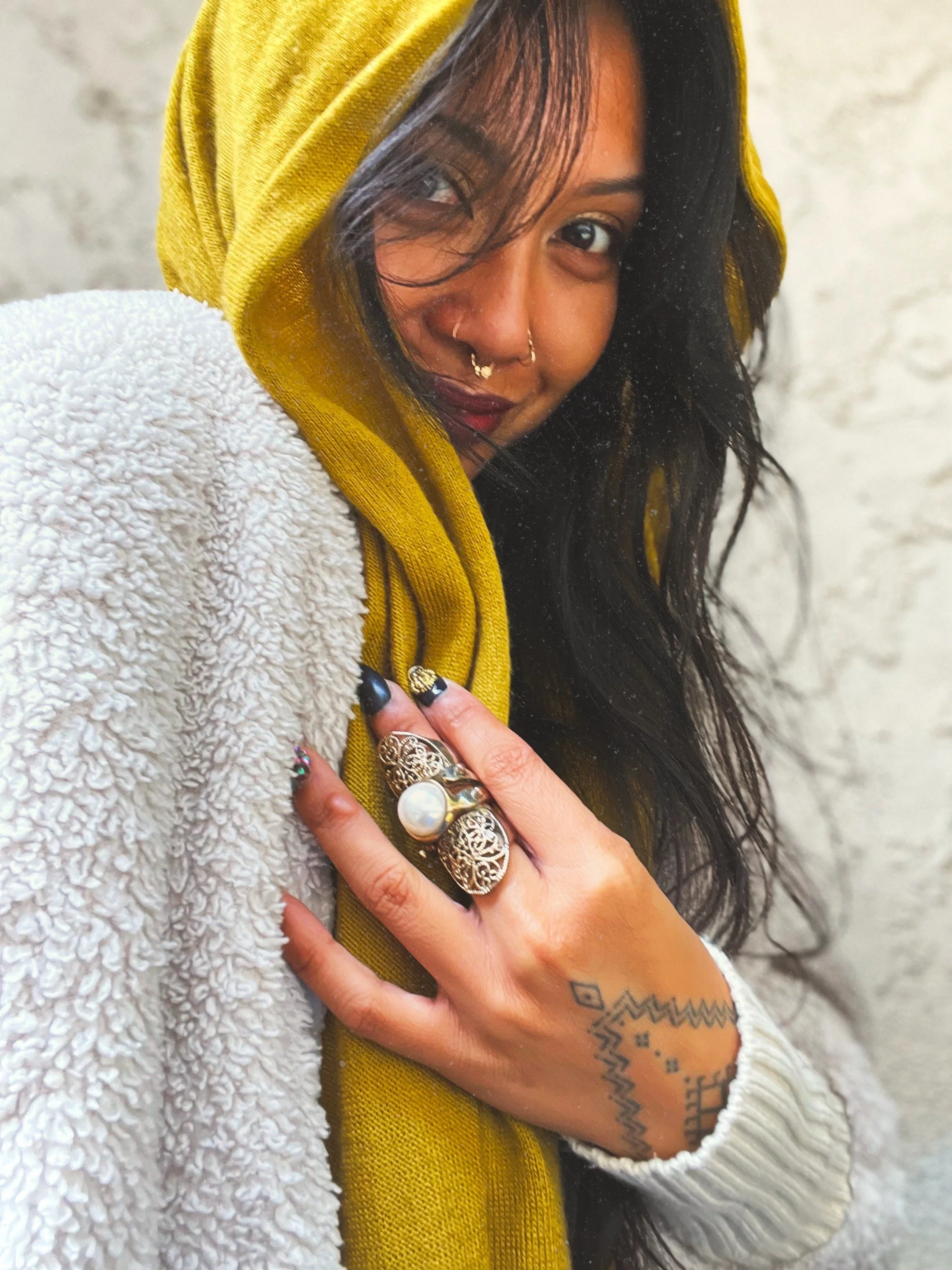
Trinidad’s family converted part of their small home into three living shrines called Cavern House.
Trinidad spends her days in a near-constant state of samadhi, drawing, writing, meditating, studying (Sanskrit, Badlit, and Estehanon Waray), and performing rituals on behalf of the oppressed and marginalized.
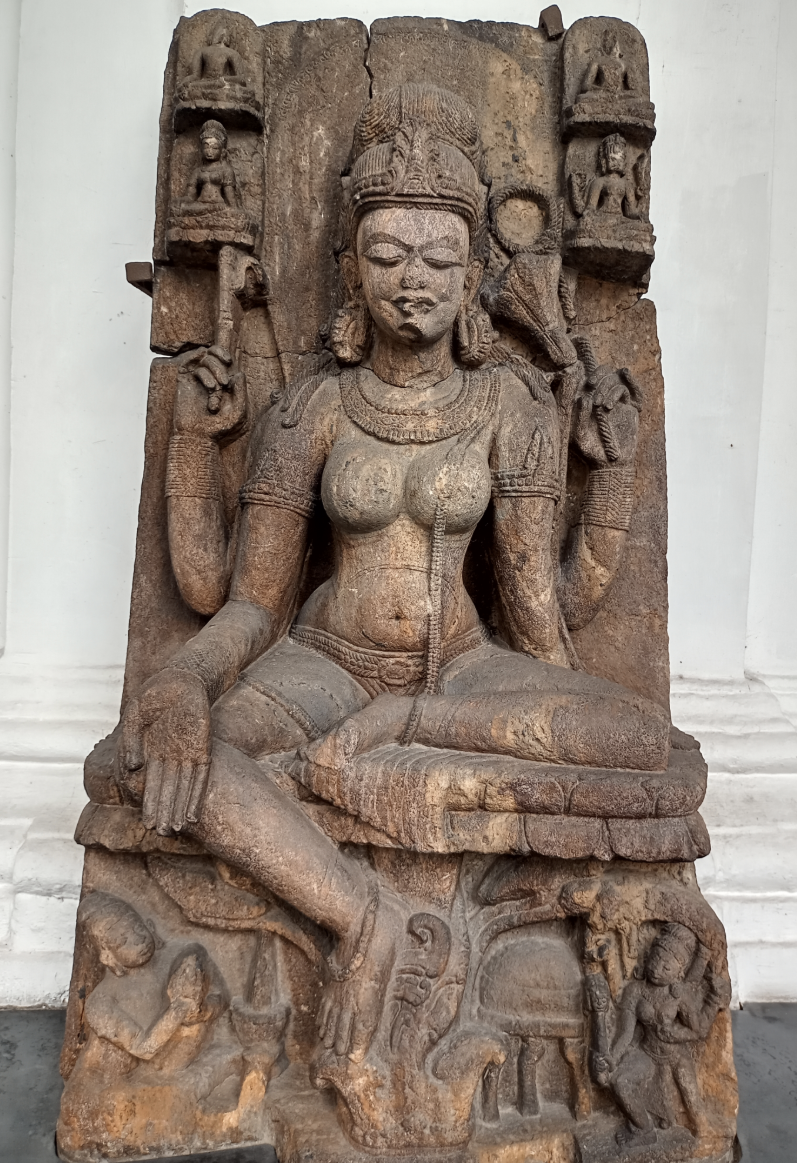
Mahavidya Tara, Indian Museum, Kolkata, India.
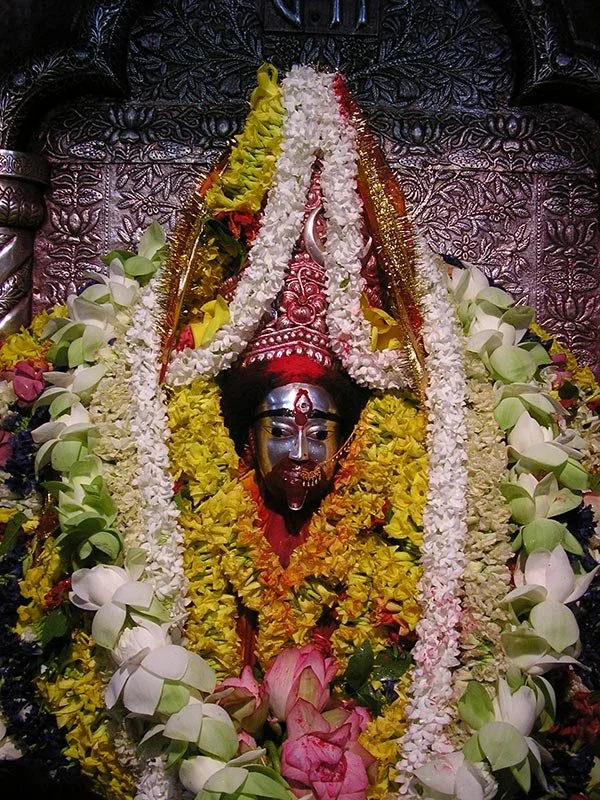
Murti of Maa Tara, Tarapith Temple, a 13th century Hindu temple in Tarapith, Birbhum, West Bengal in India.

Trinidad started meditating in early childhood.
Her teachers over the years were elder kitchen witches, bone-setters and diviners, curanderas and root workers in Texas, Filipino hilots and herbalists, and Hindu-Buddhist laypeople. As a budding witch, she studied spirit boards, cartomancy using playing cards, and other kinds of divination using an array of tools. Then she moved on to more advanced studies as more diwata and anitos showed up in her life. Trinidad sought out gurus who could guide her. Her gurus are of the ancient Nyingmapa lineage that begins with Samantabhadra, Vajrasattva, Garab Dorje, Manjushrimitra, Guru Padmasambhava, Yeshe Tsogyal, Longchenpa. She gives her gratitude to the great nameless Rishis of ancient Indus Valley people, Vedic laypeople, and Tantric cultures throughout Southeast Asia.
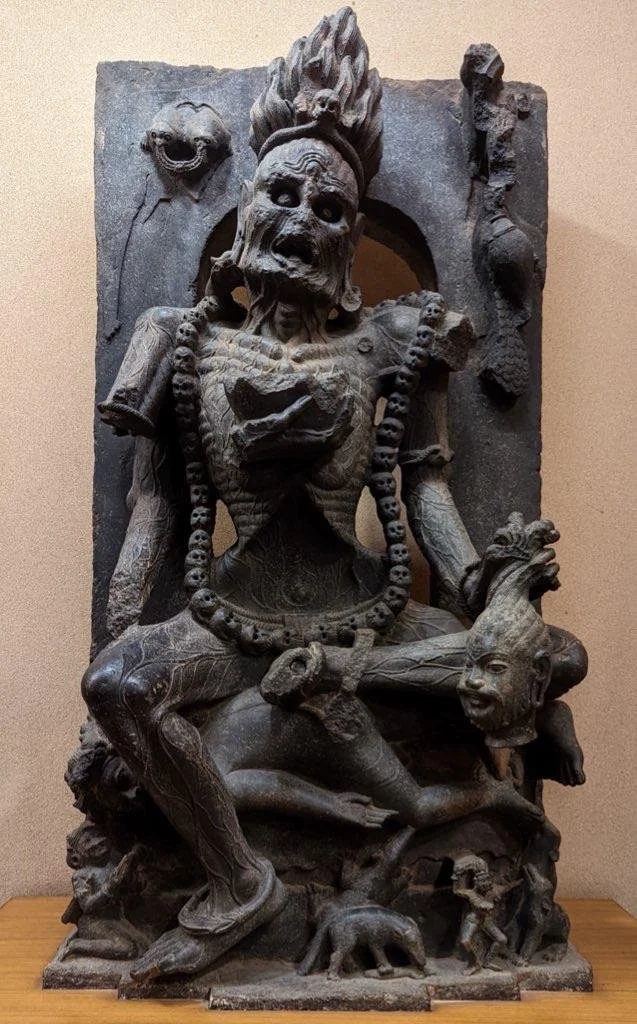
8th century, The Matrika Chamunda at the Odisha State Museum in Bhubaneswar, Odisha
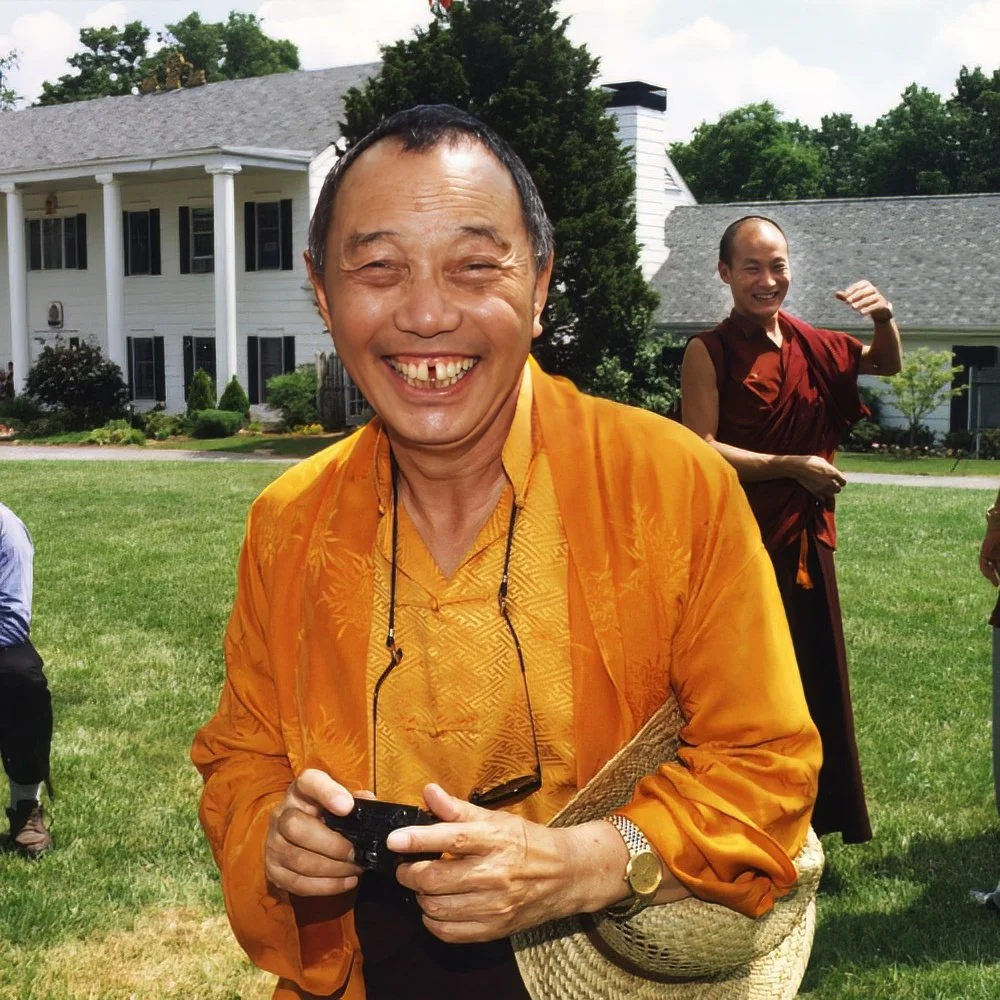
Hindu-Buddhist Tantric Studies
When Trinidad was a teenager she spent a lot of time retreating into nature and cemeteries to meditate alone. As a young adult over 20 years ago, she attended several long Vipassana retreats as her formal introduction to the renunciate life. She then studied at the Buddhist contemplative arts school Naropa Institute. She took her Buddhist Refuge, upāsikā Bodhisattva vows at Orgyen Dorje Den with the Venerable Dhomang Gyatrul Rinpoche, holder of the Dudjom Tersar Lineage, and a great master of the Dzogpa Chenpo Lineage. She continued to study Nyingma Buddhism under Lama Drimed Lodro Rinpoche and Lama Jigme at ODD.

9th century Ekapada-Bhairava, an important deity on Trinidad’s karmic path, Chausath Yogini Temple, Hirapur, India.

9th–10th century CE granite Chola statue of Matrika Maheshvari, Guimet Museum, Paris, France
Trinidad continued her Tantric studies focusing on the academic aspects of Dzogchen, Chöd, and the application of Kum Nye at the Nyingma Institute under teachers like Lama Palzang and Pema Gellek. She briefly studied indigenous energy systems and weapons combat, Didya Mudgara, with Ka Virgil Mayor Apostol at his Kailukuan School of Indigenous Science. She currently learns from other Visayan culture bearers like Khokhoi at Kalami Spirit Arts as well as gurus at her local mandir. Trinidad gives deep gratitude and expresses tremendous reverence for the saints who illuminate her path though she is from another land: The Sages Vasistha, Patanjali, Ashtavakra Prajñātārā, Saint Agastya, Bodhidharma, Acarya Brahmananda Giri, Bisheykyapa, Kaulacarya Anandanatha, Raja Ramakrishna, Acarya Moksadananda, Kailasapati Baba, Bamakhepa, Anandamayi Ma and her disciples, Sri Swami Kanakananda Brighu, Sri Brahmananda Sarasvati in San Francisco, Dr. Swami Gitananda Giri, Siddhar Bhagya, Venerable Dr. Walpola Piyananda, and many more.
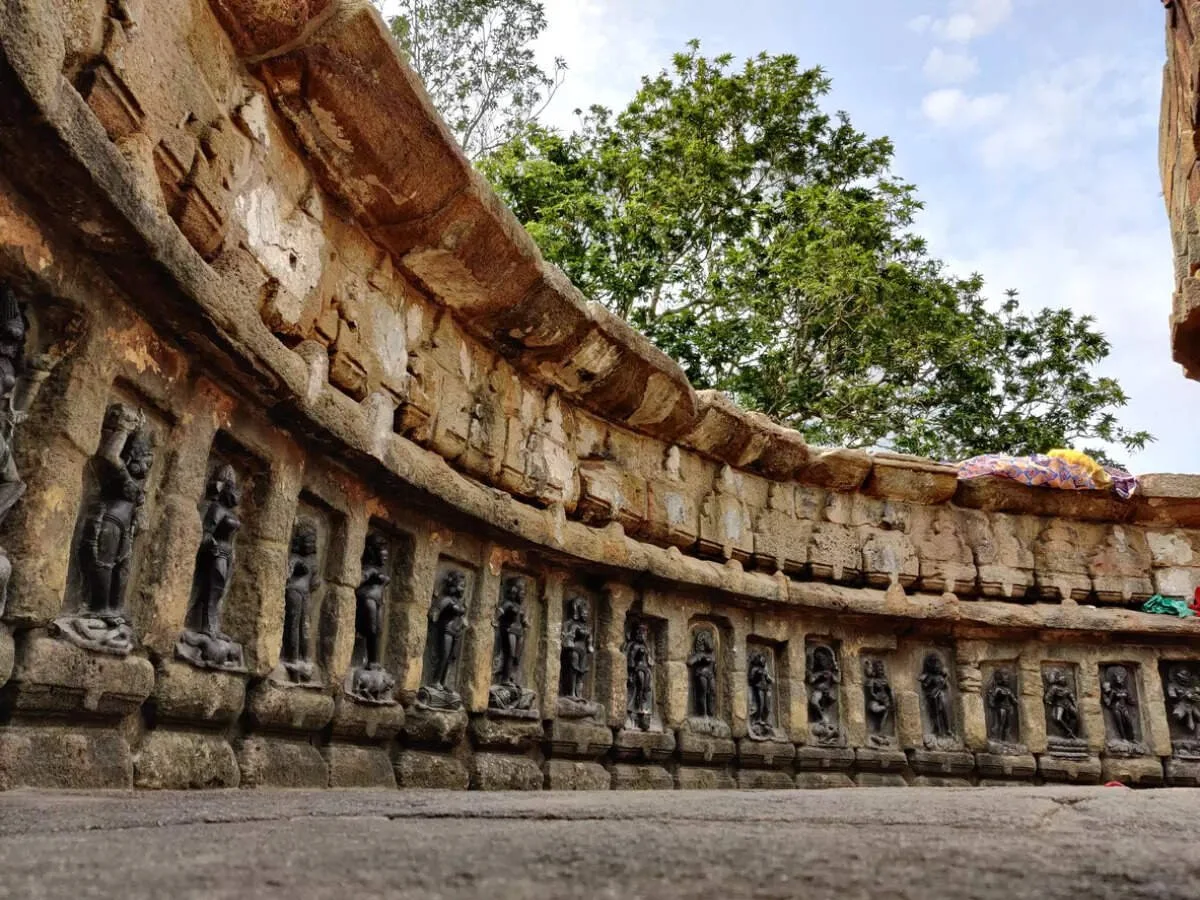
The Chausath Yogini Temple in Hirapur, India, the temple is believed to have been built by the Bhouma dynasty queen of Lonabhadra alias Santikaradeva II, Hiradevi during 864 CE.
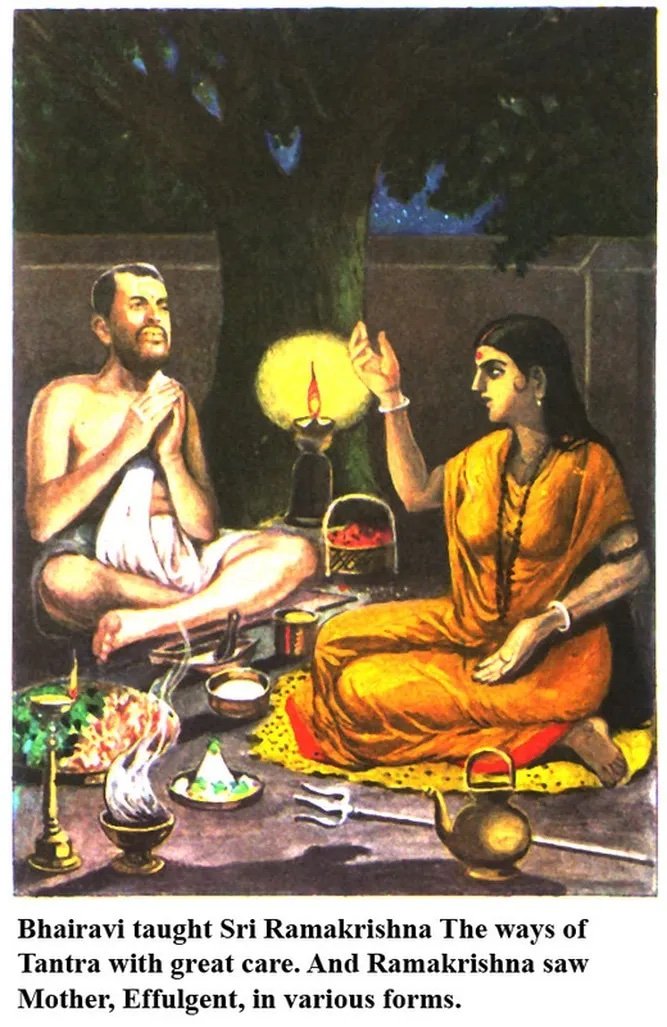
1861, Bhairavi Brahmani, an orange-robed, middle-aged female ascetic initiates Ramakrishna to Tantra.
Trinidad’s life as a devout layperson is modeled after the Mahasiddhas, Yoginis, Upasikas, Rishikis like Vak Ambhrini; mystic bhakti poets like Karaikkal Ammaiyar, Andal, Mirabai, Lalleshwari, Anandamayi Ma; the renunciate Ani Ngawang Pema; and a Thai laywoman, the honorable Upāsikā Kee Nanayon. Some of Trinidad’s most valued spiritual teachers were nonverbal disabled people that she worked with as an independent skills coach and supported living aid.

Trinidad is not
a Buddhist nun or indigenous shaman.
She is a renunciate seer. She does not teach people outside of her family the secret practices of Water Serpent Dharma. She does not seek to commercialize or commodify her family’s sacred knowledge for the sake of being cool or for money. She only strengthened her skills and gained siddhis with guidance from gurus and years of meditation. Trinidad is not an ordained nun, healer, or indigenous shaman though some of her tacit knowledge overlaps. Baylan, Babaylan, Maaram, Dalagangan shamanic traditions should not be appropriated, commodified, and their knowledge should not be shared with unworthy people.
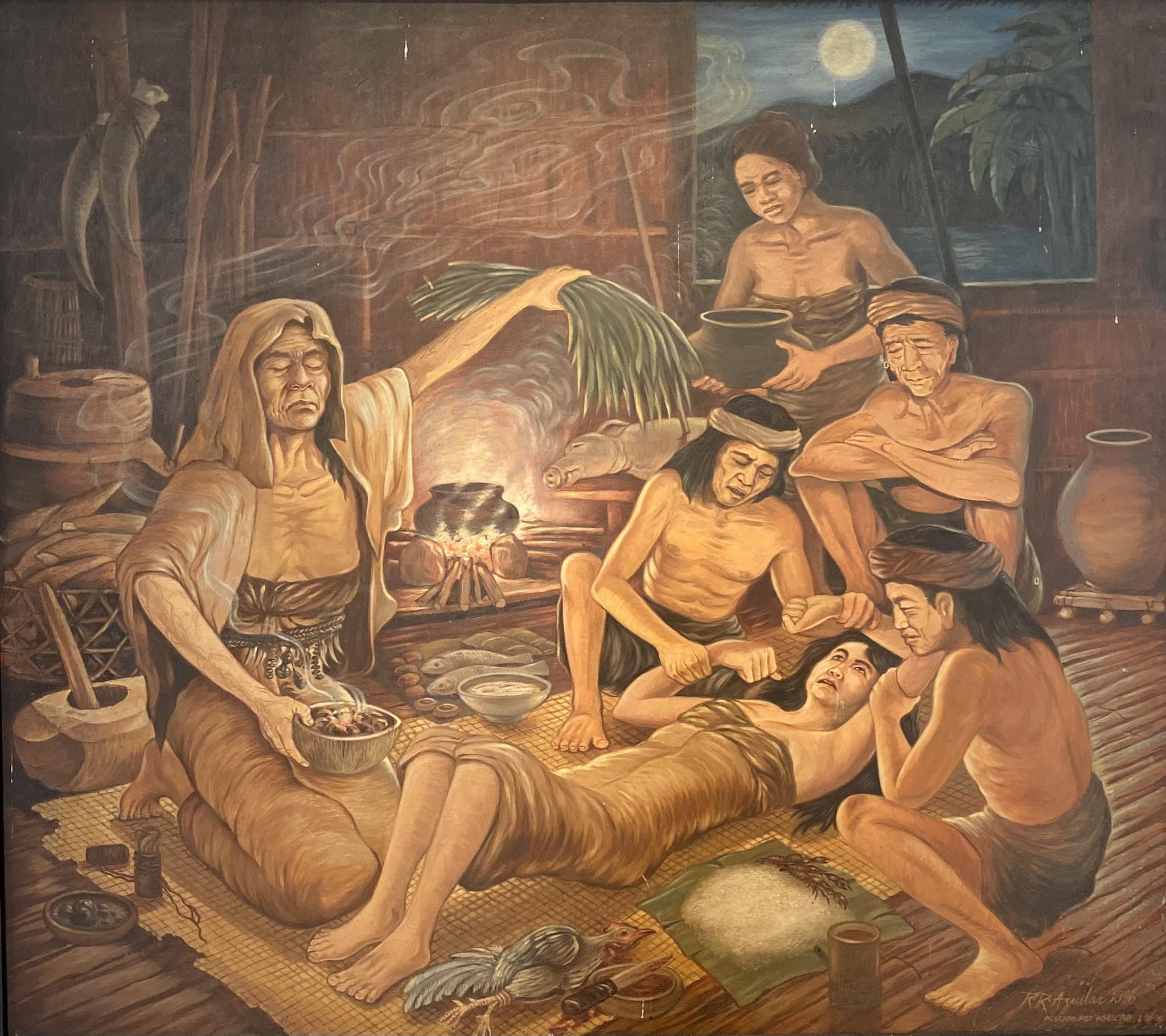
Ang Babaylan, painted by Roy Aguilar. This painting depicts one kind of diviner and healer in the Philippines. These leaders have sacred knowledge and are still living today.
Trinidad pays homage to the revolutionary babaylan and dalagangan like Tamblot, Papa Isio, Dios Buhawi, Benedicta "La Santa de Leyte", Papa Faustino, Bunang, and Papa Pablo from Samar who fought against colonizers and missionaries to preserve what they could of our spiritual roots in the Visayas, ultimately sacrificing their lives for the Land her People.
“Tayo gumagawang himala, Tayo gumagawa ng mga sumpa, at ng mga Diyos!
(We make miracles, we make curses, we make Gods)
”
𓆝 𓆟 𓆞 𓆝
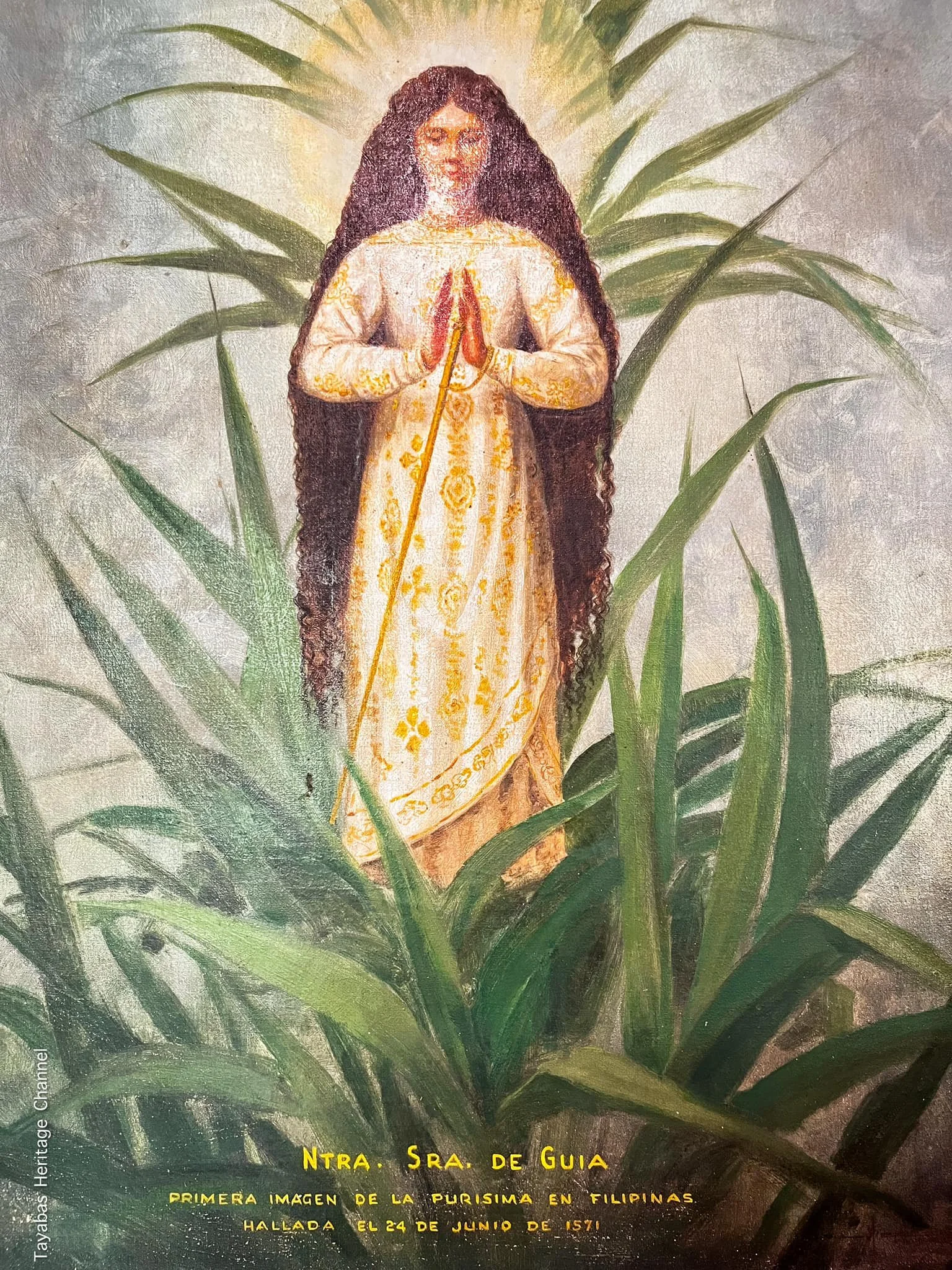

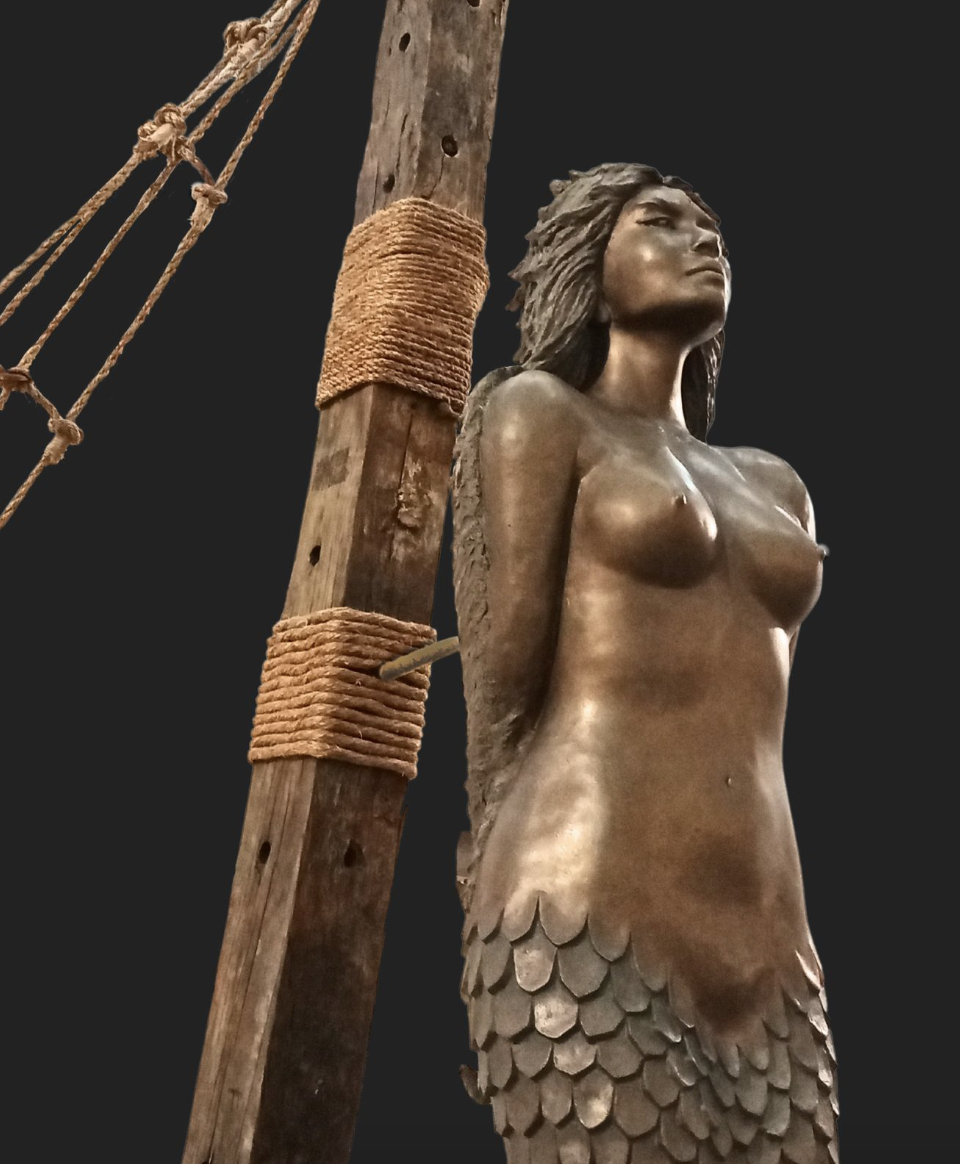
Study for the Figurehead of the Galleon Angel de la Guardia (a.k.a. Magwayen) 2024, by Agnes Arellano.
Trinidad used to share her knowledge of death and communication with spirits at her art workshops. She attends few public events these days. Now Trinidad meets with artists and art students by word of mouth to discuss matters of art, ritual, pain, spirituality, and social justice. She uses her siddhis on behalf of adoptees, young mothers, neurodivergent disabled people, incarcerated and formerly incarcerated people, Autistic adults and children, homeless and working-class LGBTQ people.
𓆝 𓆟 𓆞 𓆝 𓆟𓆝 𓆟 𓆞 𓆝 𓆟
𓆝 𓆟 𓆞 𓆝 𓆟

Trinidad’s favorite artists who were accidental mediums include Walt Whitman, Harriet Tubman, Nikola Tesla, Octavia Butler, Ray Bradbury, Philip K. Dick, Frida Kahlo, and more. Her favorite energy workers and teachers include grandmothers and mothers like her own Nanay and Aisenia de la Cruz, many overseas Filipina workers who work as maids and nannies including her sisters and nieces, local witches and Tantric yoginis who practice baneful magick and demon work, her Tita Lucy who was an Autistic seer and Carmelite nun, and others like Angela Angel, Yeshuani, Lolo Lavish, La’Arni Ayuma, Ka Virgil Mayor Apostle, Kumare Khokhoi de La Vida at Kalami Spirit Arts, and Credo Mutwa.
“When you are a sangoma (a South African traditional healer),
your life ceases to be your own.
When you are a sangoma, you stop becoming an ordinary human being,
Instead you become a lonely pilgrim traveling that strange grey road
between the known and the little known,
between the visible and the invisible,
between the mysterious and the crushingly ordinary.
When you are a sangoma you do not look for trouble.
No self-respecting sangoma does.
But trouble finds you, people come to your doorstep bringing ordinary complaints
of which you can deal, but sometimes can bring strange mysteries to the doorstep
Of your life, mysteries that change your life forever.”
-Credo Mutwa on seeing interdimensional and extraterrestrial beings throughout the continent of Africa.
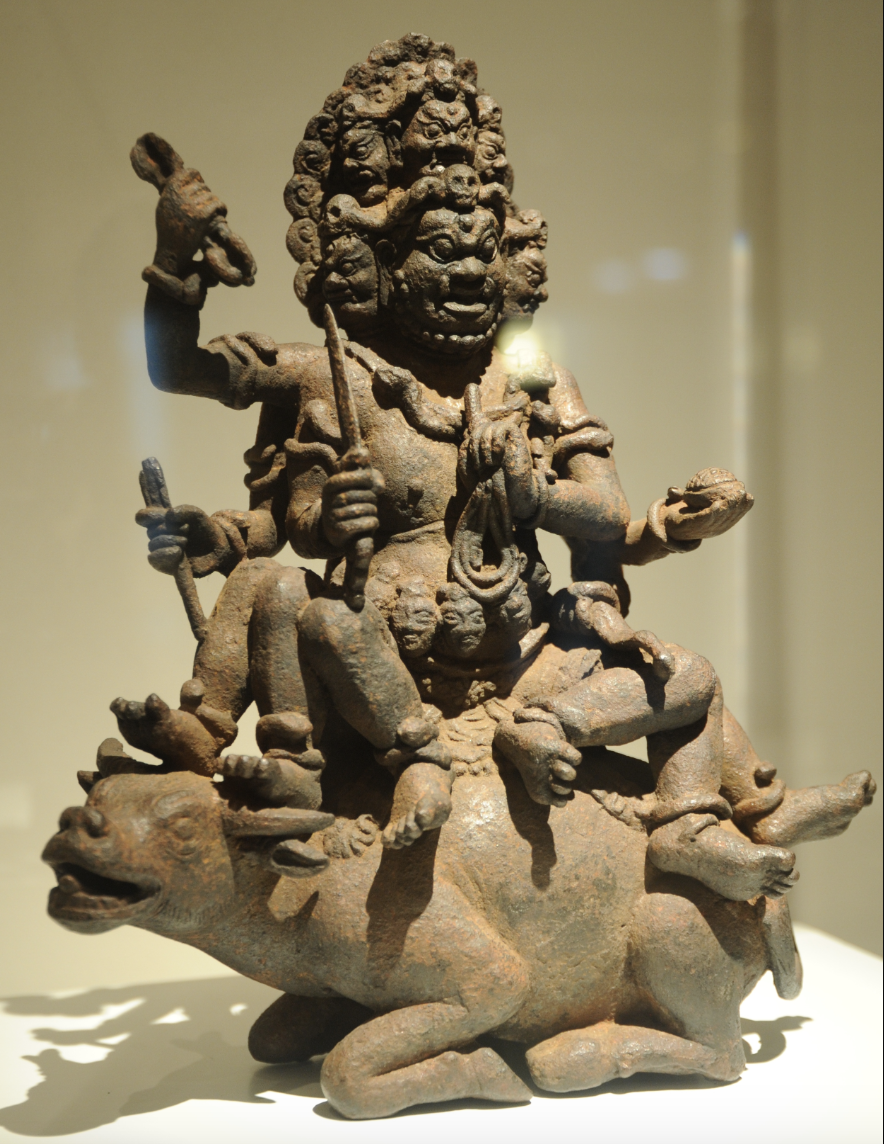
Yamantaka, Fear-Striking Vajra, Destroyer of Death (Tibetan: Gshin-rje-gshed), Tibetan Esoteric Buddhism, Art Institute, Chicago.